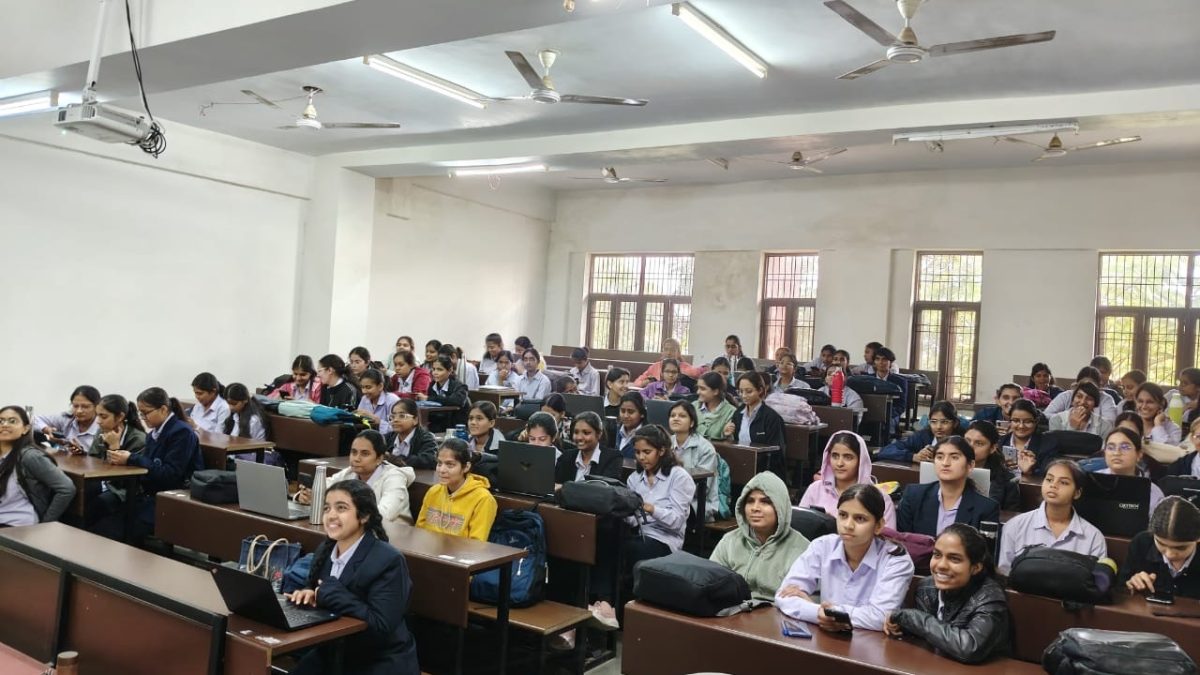
WordPress Student Clubs are rapidly emerging as a vital extension of the WordPress Campus Connect initiative, transforming one-time workshops into sustained, student-led communities on campuses worldwide. This shift is creating a consistent pathway for students to engage with WordPress and the open source ecosystem beyond initial exposure.
Key Takeaways
- WordPress Student Clubs extend the impact of Campus Connect workshops by providing ongoing, peer-led learning environments on campuses.
- Consistent participation grows through approachable, hands-on activities rather than single large events.
- Student ownership and mentorship from local WordPress communities are essential for sustaining club momentum.
- The clubs help bridge the gap between initial curiosity and deeper ecosystem contribution, fostering early community involvement.
- Flexibility around academic schedules and creating safe spaces for participation are key operational challenges and solutions.
Origins and Purpose of WordPress Student Clubs
The WordPress Campus Connect program initially aimed to introduce university students to WordPress and the values of open source contribution through workshops. These sessions kindled significant interest, especially among students new to WordPress. However, organizers quickly realized that a single workshop could spark curiosity but was insufficient to maintain engagement over time.
To address this, WordPress Student Clubs were formed. These clubs establish a continuous, student-led presence on campus, fostering learning, collaboration, and community participation. They provide a natural progression from initial workshops, enabling students to deepen their understanding of WordPress while building confidence through regular, hands-on activities.
Challenges in Sustaining Student Engagement
Early experiences with the clubs revealed that converting initial enthusiasm into ongoing participation requires deliberate effort. One of the main challenges is consistency. Student Club Organizers noted that while interest peaks immediately following introductory workshops, maintaining attendance over weeks or months demands activities that are approachable and relevant.
In practice, clubs that incorporate small, interactive learning sessions and peer collaboration see steadier participation than those relying on sporadic large events. Creating an environment where students feel comfortable asking questions and taking leadership roles is crucial. Many students are initially hesitant to speak up or lead, so fostering a welcoming, low-pressure atmosphere is essential.
Academic calendars also influence club dynamics. Fluctuations in student availability due to exams and assignments require organizers to balance regularity with flexibility. Clubs that adapt to these rhythms tend to retain members better without overwhelming volunteers or participants.
Effective Strategies for Growth and Community Building
Successful WordPress Student Clubs emphasize incremental progress through small, repeatable activities. Regular hands-on workshops, coding exercises, and peer discussions allow students to engage at their own pace and build skills progressively. This structure creates a sense of routine and makes it easier for new members to join without intimidation.
Student ownership is a powerful growth driver. When students start sharing their knowledge, mentoring peers, and organizing sessions, the club evolves from a learning group into a vibrant community. This transformation helps participants see WordPress not just as software but as an open source project where collaboration and contribution are central.
Mentorship from local WordPress community members enhances this development. Experienced volunteers guide student organizers on session planning, community engagement, and balancing commitments. This support connects campus activities with the broader WordPress ecosystem, showing students how meetups, contributions, and open collaboration fit together.
What This Means for WordPress Users
WordPress Student Clubs represent a strategic advancement in how the WordPress community nurtures new contributors. For developers and agencies, these clubs serve as talent incubators, providing early exposure and practical experience to future professionals who understand WordPress deeply and value open source collaboration.
Site owners and community organizers should watch these clubs as they expand influence. Supporting or partnering with local student groups can strengthen community ties and help cultivate contributors who may later assist with projects, meetups, or plugin development.
The clubs also signal a shift toward embedding WordPress learning organically into academic settings. This approach offers a more sustainable pipeline for ecosystem growth compared to one-off events, ensuring that the next generation of WordPress users and contributors receive ongoing support and development opportunities.
From a broader perspective, these student-led groups highlight the importance of community-led, flexible engagement models that adapt to participants’ realities. Their success may encourage other open source projects to rethink how they foster long-term involvement among newcomers.
Frequently Asked Questions
What are WordPress Student Clubs?
They are student-led groups on university campuses that provide ongoing learning, collaboration, and community-building opportunities for students interested in WordPress and open source.
How do these clubs differ from Campus Connect workshops?
While Campus Connect workshops are one-time events introducing students to WordPress, Student Clubs offer continuous engagement with regular activities that build skills and community over time.
What challenges do Student Club organizers face?
Organizers must sustain participation beyond initial interest, create welcoming environments, manage academic schedule conflicts, and develop consistent, engaging activities.
How can local WordPress communities support these clubs?
By providing mentorship, sharing best practices, and connecting student groups with broader community events and contribution opportunities, local communities help clubs thrive and integrate into the larger ecosystem.