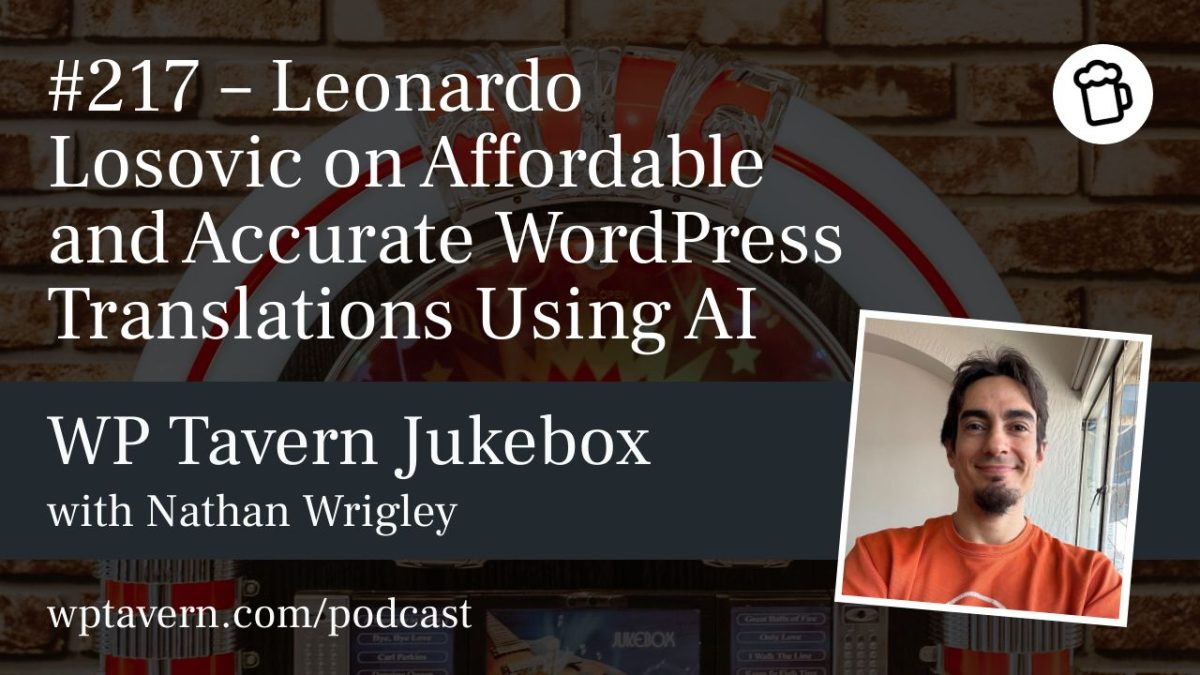
Translating a WordPress site has historically been a complex and costly undertaking reserved for those with ample resources or technical expertise. Leonardo Losovic, a seasoned WordPress developer and creator of AI-powered translation tools, recently outlined at WordCamp Asia how artificial intelligence is reshaping this landscape. His insights reveal not only the practical advantages of AI-assisted translations but also the operational considerations WordPress professionals must weigh to implement them effectively.
Key Takeaways
- AI translations significantly reduce the cost and time barriers for multilingual WordPress sites but require careful manual review to maintain quality.
- Integrating AI with popular plugins like Polylang offers a practical path to affordable translations without compromising workflow efficiency.
- SEO and multisite environments present unique challenges for automated translations that developers and site owners must address.
- Upcoming WordPress features such as collaborative editing and deeper AI integration promise to streamline translation workflows further.
Why AI Translations Matter for WordPress
For over a decade, WordPress users aiming to reach global audiences faced the dilemma of costly human translation services or limited manual efforts that slowed growth and complicated maintenance. Leonardo Losovic’s work with the Gato AI Translations plugin for Polylang highlights a shift: the ability to generate near-instant translations with AI models integrated directly within WordPress. This evolution is more than a convenience; it aligns with the growing imperative for sites to comply with regional language laws, serve multilingual audiences, and compete internationally.
However, the widespread adoption of AI in WordPress translations is not without caveats. While AI can handle bulk content efficiently, it struggles with nuance, terminology consistency, and cultural context—areas where manual oversight remains essential.
How AI Translations Work in WordPress
Leonardo’s approach leverages AI APIs to seamlessly translate content within WordPress via the Polylang plugin. This integration means site owners can translate posts, pages, and custom post types through an interface they already use, with AI handling the initial draft of the translation. The process drastically reduces turnaround times and eliminates many of the logistical headaches tied to traditional translation workflows.
Technically, the plugin acts as a bridge between WordPress and AI language models, sending content and receiving translations while allowing users to review and edit before publishing. It respects WordPress’s taxonomy and metadata, preserving SEO-critical elements like slugs and alt text, which are often overlooked in automated translations.
Operational Implications for Developers and Site Owners
Site owners with aggressive caching strategies need to consider cache invalidation carefully, as AI translations create new content versions that must be instantly visible to users. Failure to purge caches promptly can result in outdated or untranslated pages being served, undermining user experience and SEO performance.
For WooCommerce operators, accurate product descriptions across languages are crucial. AI translations can speed up this process but require extra validation to avoid mistranslations that could mislead buyers, violate advertising standards, or cause inventory errors.
Multisite networks face additional complexity in managing translations site-wide. Coordinating AI-generated content across multiple sites demands robust synchronization mechanisms to prevent content drift and ensure consistent terminology.
SEO and Translation: Best Practices
Leonardo emphasizes that SEO considerations remain paramount. Automated translations must be paired with localized metadata and hreflang tags to avoid duplicate content penalties. Developers should ensure translation plugins and AI integrations do not interfere with SEO plugins or caching layers.
It’s advisable to test AI translations in staging environments before deployment, especially for sites with heavy traffic or complex permalink structures. Monitoring search rankings and user engagement post-translation helps identify potential issues early.
Future Directions: AI and WordPress Translation Workflows
Looking ahead, WordPress’s roadmap includes enhanced collaborative editing and tighter AI integration, which promise to simplify multilingual content management. These features will empower teams to work simultaneously on translations within the WordPress editor, reducing bottlenecks and improving accuracy.
As AI models evolve, we can anticipate better context awareness and domain-specific translation capabilities, which will further close the gap between human and machine translation quality.
What This Means for WordPress Users
Frequently Asked Questions
- Is AI translation reliable enough to replace human translators in WordPress?
AI provides a strong first draft but manual review remains necessary to ensure accuracy and cultural appropriateness. - Which plugins work best with AI translation tools?
Polylang combined with plugins like Gato AI Translations currently leads the way, with good support for custom post types and SEO compatibility. - How does AI translation impact site performance?
On-demand translation requests can increase server load; caching and asynchronous processing are recommended to mitigate this. - Are there security concerns with AI translation?
Data sent to AI APIs may contain sensitive content, so choosing trusted providers and understanding data policies is critical. - Can AI translations handle WooCommerce product catalogs effectively?
Yes, but product descriptions should be carefully reviewed to avoid errors that could affect sales or compliance.
Leonardo Losovic’s work demonstrates that AI-powered translations are no longer a futuristic concept but a current reality that WordPress developers and site owners can leverage today. By understanding the technical nuances and operational demands, WordPress professionals can adopt these tools to reach wider audiences more efficiently and cost-effectively.
Those interested in exploring AI translations further can find Leonardo’s plugin on WordPress.org and view his WordCamp Asia presentation on YouTube for a deeper dive into the invisible challenges of WordPress multilingual sites.
For WordPress hosting providers, integrating AI translation support and offering optimized environments for these plugins could become a valuable differentiator. Likewise, WooCommerce site managers should consider incorporating AI translations into their localization strategies to improve market reach without inflating translation budgets.
Translation is an evolving frontier in WordPress development. With AI, the barriers are lower, but the need for expertise remains high. Balancing automation with human insight will be key to delivering truly global WordPress experiences.