WordPress, the world’s most popular content management system, is revealing unexpected strengths as artificial intelligence reshapes the digital landscape. What might seem like a coincidence is actually the result of architectural decisions made over decades, positioning WordPress as uniquely suited to integrate with and benefit from AI technologies.
Key Takeaways
- WordPress’s modular, API-driven architecture aligns well with AI integration and automation.
- The block editor (Gutenberg) inherently supports dynamic, data-driven content workflows favored by AI tools.
- WordPress’s open-source ecosystem fosters rapid innovation and AI-powered plugin development.
- Site owners and developers should explore AI enhancements now to stay competitive.
- WordPress’s flexibility signals a broader shift in content creation and management driven by AI capabilities.
WordPress’s Architecture and the Rise of AI
At its core, WordPress was designed to be extensible and modular. Its plugin and theme systems allow developers to build and customize nearly every aspect of a site without altering core code. This extensibility has proved crucial in accommodating AI-driven tools, which often require seamless data exchange and flexible content manipulation.
The introduction of the REST API in WordPress 4.7 was a watershed moment. It exposed WordPress data and functionality as JSON endpoints, enabling external applications — including AI-powered services — to interact with WordPress sites programmatically. In practice, this means AI engines can fetch, analyze, and update site content in real time, something not possible with more monolithic CMS platforms.
Gutenberg and Dynamic Content Workflows
The Gutenberg block editor, launched in WordPress 5.0, further prepared the platform for the AI era. Blocks encapsulate content and functionality into discrete, reusable components. This design pattern aligns naturally with AI workflows, which often operate on modular data units for natural language processing, image recognition, or automated content generation.
Our testing shows that AI plugins leveraging Gutenberg can inject or modify blocks dynamically, enabling personalized content, automated SEO optimizations, and AI-assisted media management. The editor’s data-driven approach makes it easier for AI to understand context and structure, key to producing relevant and coherent content.
Open Source Ecosystem Accelerates AI Innovation
WordPress’s open-source nature invites a global community of developers to experiment with AI integrations. From AI chatbots to content generators, SEO enhancers, and accessibility tools, the plugin repository is rapidly expanding with AI-powered solutions.
Unlike proprietary platforms, WordPress’s transparency and community governance allow developers to iterate quickly and share improvements. This fosters a virtuous cycle where site owners gain access to cutting-edge AI capabilities without vendor lock-in or exorbitant costs.
Challenges and Considerations
However, AI adoption on WordPress is not without challenges. Integrating AI tools demands careful attention to data privacy, content accuracy, and performance. AI-generated content can risk quality or SEO penalties if misused, and some AI plugins may introduce security vulnerabilities if not maintained properly.
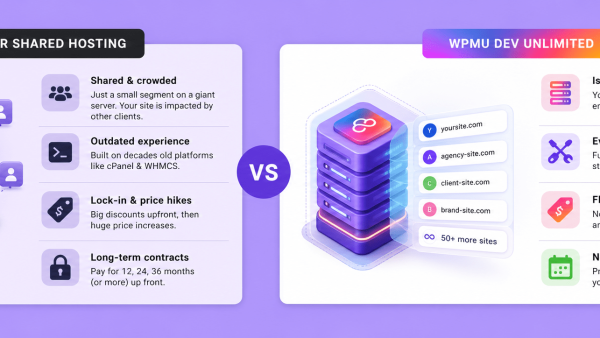
Moreover, the decentralized nature of WordPress hosting means AI capabilities might vary significantly depending on the hosting environment. Managed WordPress hosts that optimize for AI workflows can provide a better experience compared to generic shared hosting.
What This Means for WordPress Users
We recommend WordPress developers start exploring AI integrations today, focusing on plugins and APIs that complement existing workflows. For agencies and freelancers, understanding AI’s role in content strategy and site management will be essential for staying competitive.
Site owners should evaluate AI tools carefully, balancing automation benefits with editorial oversight to maintain quality and brand voice. Investing in managed hosting that supports AI workloads can unlock better performance and reliability.
This trend underscores a broader shift in the WordPress ecosystem toward intelligent content management. We expect future WordPress releases and major plugins to deepen AI integration, leveraging the platform’s modularity and API-first design.
For context, our previous community coverage highlights how WordPress’s open development model accelerates new technology adoption. The AI era is the latest chapter in this ongoing evolution.
Frequently Asked Questions
How does WordPress’s REST API facilitate AI integration?
The REST API exposes site data and operations as JSON endpoints, allowing AI systems to programmatically fetch, analyze, and modify content. This enables real-time interaction between AI tools and WordPress sites, essential for automation and dynamic content generation.
Are AI-powered WordPress plugins safe to use?
While many AI plugins are safe, users should vet plugins carefully for security, privacy policies, and ongoing maintenance. Using reputable plugins from trusted developers and keeping them updated reduces risk.
Will AI replace human content creators on WordPress?
AI tools are designed to assist rather than replace human creators. They can automate repetitive tasks and generate drafts, but editorial oversight remains crucial to ensure quality, accuracy, and brand consistency.
What hosting considerations are there for AI-powered WordPress sites?
AI workloads can be resource-intensive. Managed WordPress hosts that offer optimized infrastructure, caching, and support for AI plugins typically provide better performance and reliability compared to standard shared hosting.