Some links on this page are affiliate links. We may earn a commission when you click through and make a purchase, at no additional cost to you.
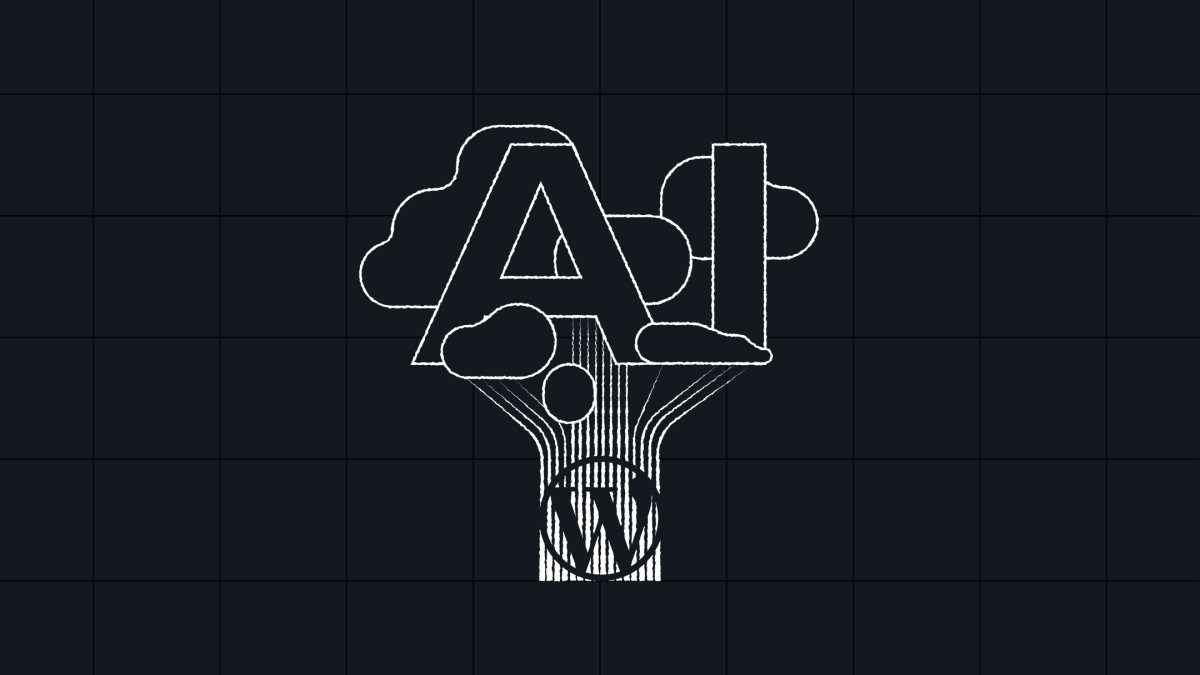
The rise of generative AI has sparked a wave of speculation about the future of WordPress in enterprise environments. With professionals now able to ‘vibe code’ applications and websites through AI tools, many wonder: Does WordPress face obsolescence? Far from it. WordPress isn’t being replaced, as some fear — it’s evolving to leverage AI and redefine enterprise content management.
Key Takeaways
- AI is enhancing WordPress, not replacing it, especially for enterprise CMS needs.
- WordPress VIP integrates AI for personalization, workflow automation, and content testing.
- Enterprises require governance, security, and scalability — areas where WordPress excels.
- The open-source nature of WordPress enables flexibility in AI integration and omnichannel deployment.
Why AI Isn’t Killing WordPress
The argument that AI might kill WordPress often assumes that generating a website is the primary function of a CMS. While tools like AI-powered website builders make it easy to create basic sites, the role of an enterprise CMS goes far beyond this. Enterprises rely on WordPress to govern content creation, approval flows, localization, integrations, and performance optimization.
For example, high-traffic websites don’t just need aesthetically pleasing designs. They serve as hubs for complex content operations involving multiple teams. WordPress VIP has long supported these needs through tools like the modular Gutenberg Editor and Parse.ly analytics, which streamline editorial workflows and offer actionable insights.
AI is now becoming a layer within WordPress, enhancing these capabilities rather than bypassing them. Generative AI can assist with headline testing, personalized content recommendations, and drafting content variants. However, enterprises still require CMS features like role-based permissions, multi-channel publishing, and structured content reuse — none of which AI replaces.
How WordPress Adapts AI for Enterprise Needs
WordPress has begun integrating AI in ways that align closely with its core purpose as a flexible and extensible CMS. For small businesses and solopreneurs, AI tools within WordPress.com provide quick website creation and content editing. For enterprise users, WordPress VIP offers AI-enhanced features like automated text editing and personalization, bolstered by a robust governance framework.
One standout example is WordPress VIP’s support for headless and hybrid CMS architectures. These approaches allow enterprises to connect AI-driven workflows across multiple touchpoints, enabling true omnichannel content delivery. This capability is critical as organizations increasingly deploy AI not just for content generation but for broader digital operations.
WordPress’s open-source foundation plays a key role here. Unlike proprietary AI solutions, WordPress gives enterprises the freedom to integrate AI tools of their choice without being locked into a specific vendor’s roadmap. This openness is further supported by Docker-based local development tools that ensure portability across hosting environments.
Enterprise-Grade AI Integration in WordPress VIP
WordPress VIP has positioned itself as a leader in AI-driven enterprise CMS solutions. Its approach focuses on making AI a complementary layer within the existing CMS rather than an external add-on. Features like Jetpack AI, which streamlines text editing, and Parse.ly-powered personalized recommendations demonstrate this integration.
These tools are designed to help enterprises scale their content operations efficiently. For example, AI can automate repetitive tasks, draft initial content, and assist with localization. Marketers can then focus on higher-value activities like campaign strategy and brand governance, knowing that the underlying CMS supports their workflows.
Security and scalability remain top priorities for enterprises, especially those managing sensitive or high-traffic websites. WordPress VIP’s architecture ensures data integrity and compliance, even as AI capabilities expand.
What This Means for WordPress Users
For WordPress professionals, the message is clear: AI isn’t a threat; it’s an opportunity to enhance what WordPress already does best. Developers should familiarize themselves with AI integrations like Parse.ly and Jetpack AI to understand how these tools can streamline content operations. Agencies serving enterprise clients should emphasize WordPress’s ability to combine AI with governance and scalability.
This evolution also signals a shift in the CMS market. As competitors focus on proprietary AI models, WordPress’s open-source approach ensures flexibility and long-term adaptability. Businesses investing in WordPress VIP gain a foundation that supports both current needs and future innovations.
Ultimately, WordPress is proving that AI doesn’t replace the need for a CMS; it raises the bar for what a CMS can achieve at enterprise scale.
Frequently Asked Questions
How does AI fit within WordPress?
AI in WordPress enhances content creation, personalization, and workflow automation without replacing core CMS functions. Features like Jetpack AI and Parse.ly integrate seamlessly with enterprise workflows.
Why is WordPress still relevant for enterprises?
WordPress offers governance, scalability, and security that generative AI tools cannot provide independently. Its open-source nature allows for flexible integrations and robust omnichannel capabilities.
What AI tools are available in WordPress VIP?
WordPress VIP includes Parse.ly for personalized recommendations, Jetpack AI for text editing, and support for hybrid CMS architectures to deploy AI across multiple channels.