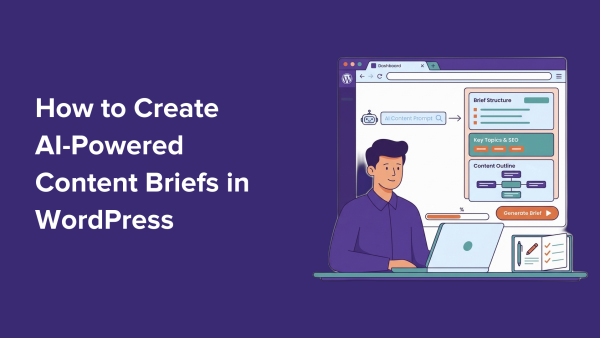
AI-powered WordPress tools and plugin updates are changing how site owners handle publishing, maintenance, and support. This guide explains how to assess a new WordPress feature responsibly, with attention to compatibility, performance, privacy, and editorial review. has become an important topic for WordPress practitioners because teams want practical improvements without adding unnecessary complexity. The best way to evaluate a new feature or workflow is to start with the problem it solves, then test how it behaves on a real site with realistic content, traffic, and editorial needs.
Before changing production, make a backup and test in a staging environment. Check compatibility with the current WordPress version, PHP version, active theme, caching layer, and other plugins. A feature that works in isolation can behave differently when several systems modify the editor, database queries, REST API, or frontend assets. Record the baseline so you can tell whether the change helped.
Performance and reliability should be measured, not assumed. Review page response time, error logs, cache behavior, image sizes, and the experience on mobile connections. Avoid installing overlapping tools that perform the same optimization. Keep the configuration understandable, update regularly, and remove experiments that are no longer used. A smaller, well-maintained stack is usually easier to troubleshoot.
AI-assisted workflows deserve additional review. Generated suggestions can speed up research, outlines, summaries, and repetitive administration, but editors remain responsible for accuracy, originality, privacy, and tone. Do not paste confidential customer information into an unapproved service. Verify claims against primary documentation and label conclusions that depend on assumptions. Human review is part of the workflow, not an optional final polish.
A useful rollout plan is incremental. Define one success metric, choose a small group of pages, monitor for a week, and collect feedback from the people who publish and maintain the site. If the result is positive, expand gradually. If it is negative, revert cleanly and document the lesson. This approach protects rankings, user experience, and editorial trust while still allowing the site to adopt useful improvements.
The practical takeaway is simple: solve a defined problem, test safely, measure outcomes, and keep ownership clear. WordPress is flexible precisely because many layers can be combined, so disciplined maintenance matters as much as the initial feature choice.
WordPress resources and plugin guides can help with the next step.