In the ever-evolving landscape of WordPress hosting, understanding PHP compatibility is crucial for maintaining the performance and security of your website. The WordPress 6.6 update brings this issue to the forefront, recommending a PHP version of 7.4 or newer, while still allowing operation on versions up to 7.2.24. With PHP 8.3 now available, the decision about which version to run becomes even more significant.
PHP serves as the backbone of WordPress, influencing everything from core functionality to theme and plugin operations. As PHP evolves, WordPress sites must adapt to leverage new features and maintain security. Currently, PHP 8.1, 8.2, and 8.3 are actively supported, with each version introducing enhancements like enumerations, fibers, read-only classes, and typed class constants. Running older PHP versions, specifically those beyond their End of Life (EOL), poses security risks and performance issues, making it imperative to update.
Understanding PHP Release Cycles
PHP versions are categorized into three support levels: active support, security fixes only, and end of life. Active support versions, such as 8.2 and 8.3, receive regular updates for both security and bugs. Versions like 8.1, which only receive security patches, are slightly older but still viable. Versions below 8.0 have reached EOL and should be avoided on live sites to prevent vulnerabilities.
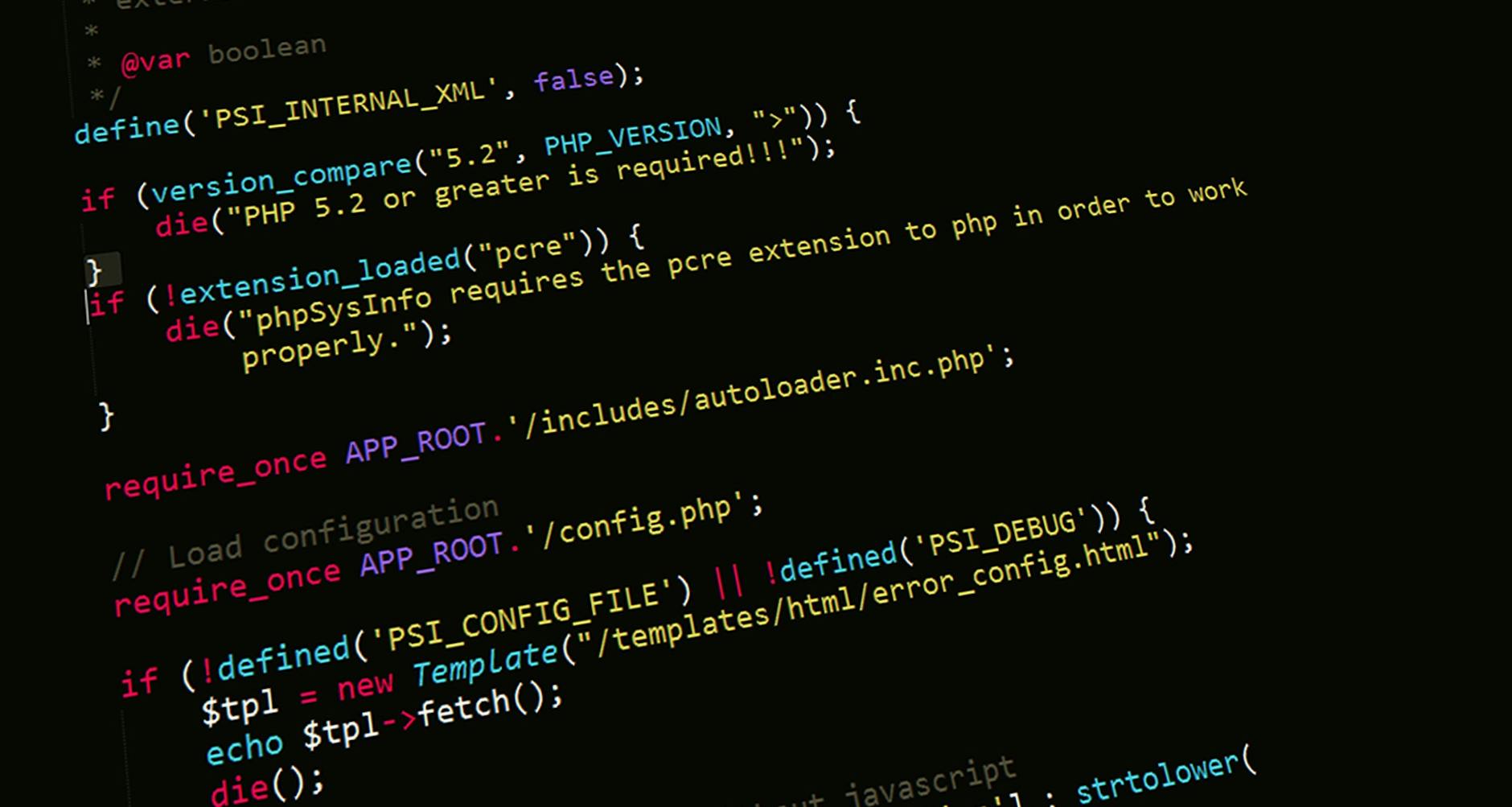
Every PHP version ever released remains available for download, but utilizing the latest supported versions is the best practice for keeping your WordPress site secure and performant. As WordPress 6.6 is generally compatible with these recent PHP versions, site operators have the opportunity to enhance their site’s capabilities by upgrading their PHP environment.
PHP Compatibility for WordPress 6.6
The latest WordPress release, 6.6, named “Dorsey,” aligns with PHP 8.1 and later, although compatibility might vary with certain plugins and themes. Despite being able to operate with PHP versions as old as 7.2.24, WordPress’s recommendation to use 7.4 or newer is grounded in the need for improved speed and security. Newer PHP releases not only run faster but also integrate protections against common threats, making them a preferable choice.
However, the necessity to maintain compatibility with specific plugins or themes might require sticking to older versions. It’s a balancing act between leveraging new PHP features and ensuring that your WordPress setup remains functional. As WordPress itself only guarantees support for its latest release, aligning your PHP version with this support policy is advisable.
What To Do
- Site Operators: Verify your current PHP version via the WordPress admin dashboard. Navigate to Tools > Site Health > Info and check under the Server section.
- Developers: Consider updating to PHP 8.1 or later to take advantage of new features and improved performance, ensuring all dependencies are compatible.
- Hosting Professionals: Guide clients through the PHP update process, emphasizing the importance of backups and testing in a staging environment.