Migrating a WordPress site to a new host can be a nerve-wracking endeavor. Every moment of downtime risks impacting sales, user experience, and search engine rankings. For ecommerce businesses, even brief outages can translate into lost revenue and frustrated customers. A meticulous approach is essential to avoid the pitfalls of data loss, DNS issues, and other common migration challenges.
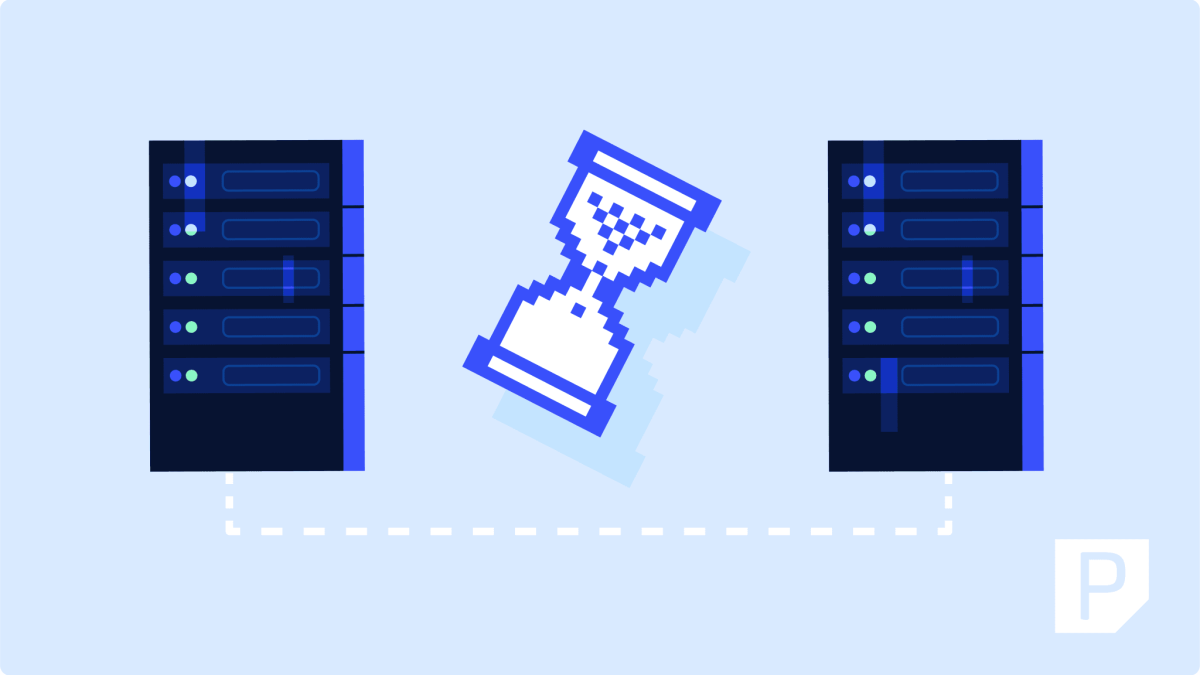
Understanding the risks involved in WordPress migration is crucial. Data loss, damaged URLs, DNS propagation delays, and database sync issues are some of the primary concerns. A temporary domain often used during setup can result in broken links, while mismatched server environments might lead to file compatibility conflicts. Additionally, SSL certificates must be reissued once the domain goes live, and any downtime during DNS updates can lead to SEO issues if search engines crawl the site prematurely.
Key Steps for a Flawless Migration
Preparation is the linchpin of a successful WordPress migration. Start by performing a comprehensive backup of your site, including all files, databases, and configurations. This backup serves as your safety net, ensuring you can restore the site if anything goes awry. Next, audit and clean up your site by removing unused plugins, themes, and media files. Update all active plugins, themes, and the WordPress core to avoid compatibility issues in the new environment.
It’s essential to review existing 301 redirects, consolidating and proofing them to eliminate chains or loops. Document your site setup meticulously, noting active plugins, theme customizations, and any unique modifications. This documentation will be invaluable if you need to troubleshoot or recreate your setup on the new host.
Why Timing Matters in Migration
Choosing the right time for your migration can significantly reduce its impact. Plan to move your site during low-traffic periods to minimize performance disruptions. This approach also allows you to display an “under maintenance” message, informing users of the temporary downtime. Additionally, ensure your new hosting environment meets all site requirements, including PHP compatibility with essential plugins and themes.
Whether you opt for a manual transfer, use a migration plugin, or leverage a white-glove service where the host manages everything, understanding these WordPress migration problems is crucial. Each method has its considerations, and being informed helps in making the right choice for your site.
What To Do
- Developers: Ensure all code is documented and updated to avoid compatibility issues.
- Site Operators: Schedule migrations during low-traffic periods and communicate downtime to users.
- Hosting Professionals: Verify server environments match the site’s requirements to prevent post-migration conflicts.