In the competitive digital arena, speed isn’t just a luxury—it’s a necessity. For WordPress sites, implementing a Content Delivery Network (CDN) can be the key to ensuring lightning-fast performance and robust security.
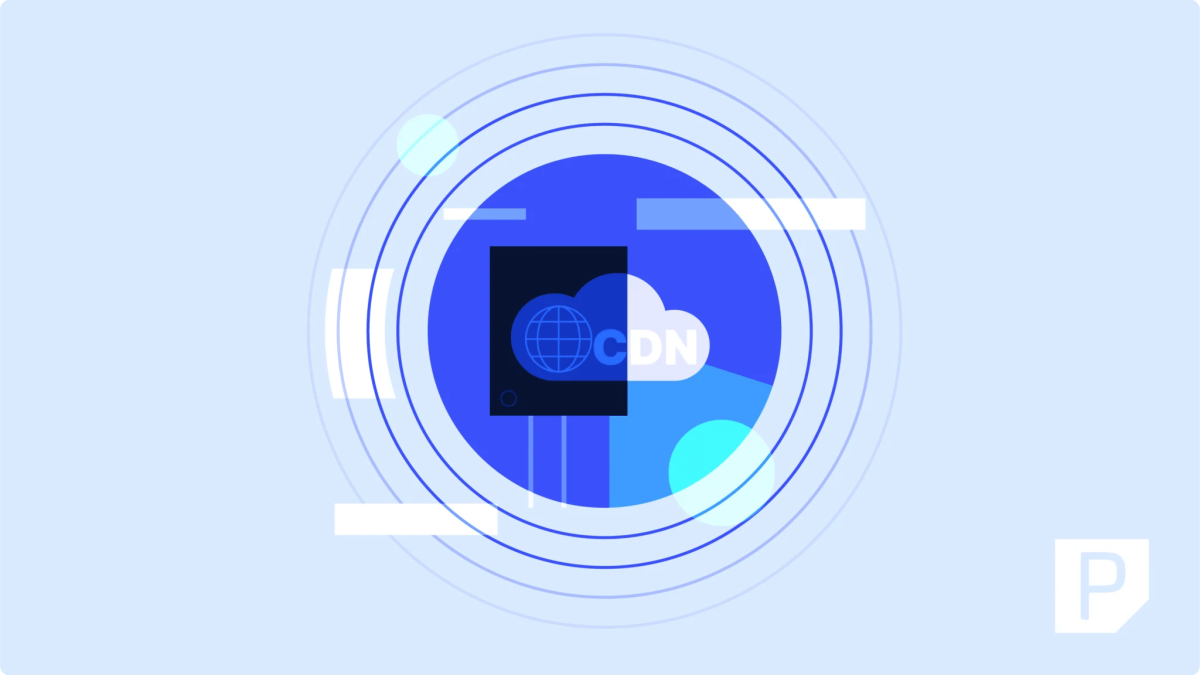
A CDN, or content delivery network, is a network of servers strategically distributed across various locations to deliver content to users more efficiently. First introduced in the late ’90s, CDNs are still indispensable for improving website performance, minimizing network congestion, and boosting search engine optimization (SEO).
When a visitor accesses your WordPress site, the CDN directs them to the nearest server with the capacity to handle the request, enhancing load times significantly. This algorithmic approach ensures that even if the closest server is busy, another can step in to deliver the content swiftly.
Improved Performance and SEO Benefits
For WordPress administrators, a CDN is a boon for website performance. By caching popular content, it ensures rapid access for users, reducing the likelihood of them bouncing due to slow load times—a key metric search engines track to rank pages.

Moreover, by mitigating bottlenecks, CDNs effectively handle network congestion, which can otherwise degrade user experience. The result is a smoother interaction for site visitors, leading to longer session durations and positive SEO implications.
Handling Traffic Surges and Enhancing Security
Every site owner dreams of going viral, but the accompanying traffic surge can be a double-edged sword. Without a CDN, such spikes might crash your site. CDNs distribute traffic across multiple servers, maintaining site availability and performance during peak loads.
Security is another critical advantage. A CDN’s distributed nature means that even during cyberattacks, your content remains accessible. This built-in cybersecurity feature helps mitigate the impact of potential attacks and protects against data loss by storing information across several servers.
Understanding CDN Architecture
The architecture of a CDN is straightforward yet powerful. It involves storage nodes that house copies of original data. These nodes play a crucial role in how a CDN operates, whether through push-based or pull-based methods.
Push-based CDNs act as proactive offsite storage, pushing data from creators to servers for distribution. In contrast, pull-based CDNs retrieve content from the origin server only when requested, caching it for subsequent requests. This method reduces the origin server’s workload and speeds up site performance.
What To Do
- Site Operators: Evaluate your current hosting setup and integrate a CDN to enhance load times and security.
- Developers: Optimize your WordPress site to work seamlessly with CDN services, ensuring efficient caching and delivery.
- Agency Owners: Recommend CDN integration to clients as part of a comprehensive digital strategy to improve performance and user experience.