WordPress block patterns are transforming how websites are built, offering a rapid, code-free development path. This matters because the traditional barriers of coding expertise are falling, empowering users to create dynamic sites swiftly.
Gutenberg, also known as the WordPress block editor, introduced a revolutionary approach to building web pages. Blocks, the cornerstone of Gutenberg, allow for flexible, Lego-like construction of web content. Users can effortlessly add elements like videos and images without diving into code.
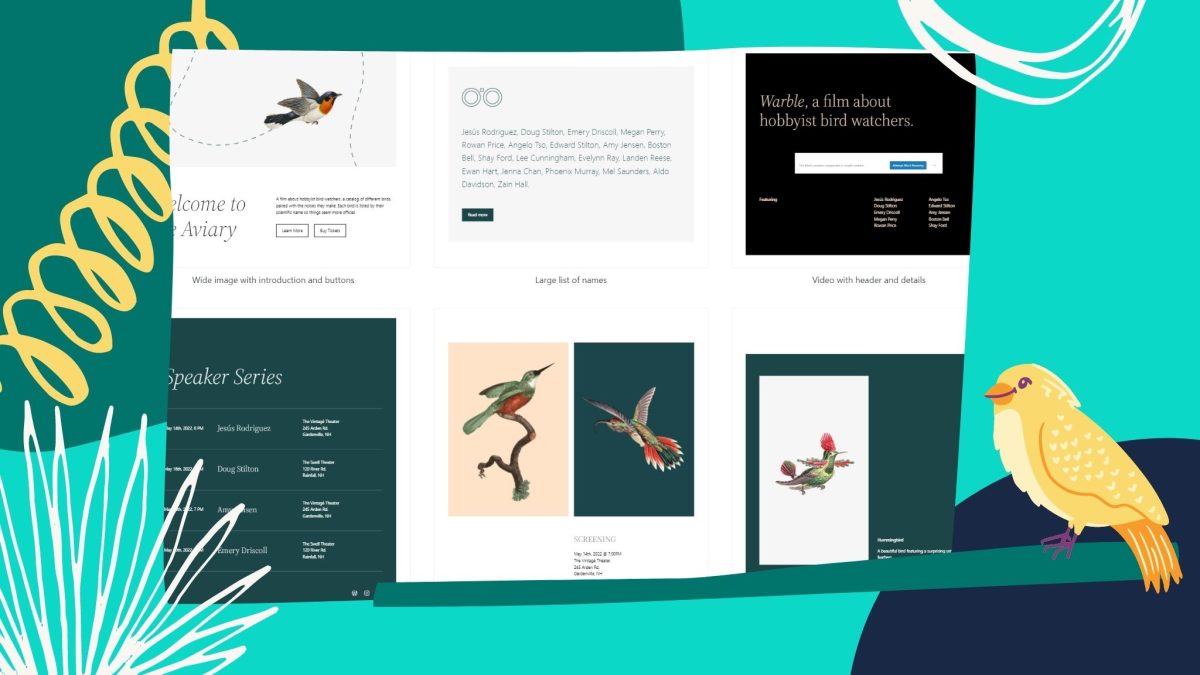
Block patterns take this a step further. These prebuilt collections of blocks offer ready-made layouts, simplifying the site-building process even more. You can easily customize these patterns with your own content, making site design both fast and enjoyable.
Why WordPress Block Patterns Matter
The significance of block patterns lies in their ability to streamline website creation. In the fast-paced world of online business, time is money. Block patterns allow site owners to implement design changes quickly, without coding knowledge.
Moreover, these patterns offer a solution to the challenges of starting a site from scratch. Without them, you might face the daunting task of learning to code or incur extra costs by hiring professionals. Block patterns democratize web design, making it accessible to everyone.
Key Advantages of Using Block Patterns
Block patterns bring several advantages. They speed up the development process, allowing users to build sites in hours rather than weeks. This efficiency is crucial for businesses aiming to launch quickly.

Additionally, block patterns support unique designs. By mixing and matching different patterns, users can avoid cookie-cutter layouts and create distinctive sites that stand out.
Another critical advantage is the reliable codebase. Block patterns are designed to ensure sites look great across devices, addressing the need for responsive design without coding intervention.
What To Do
- Developers: Explore Gutenberg’s block patterns to offer clients faster, more flexible design options.
- Site Owners: Utilize block patterns to refresh your site’s look without technical expertise.
- Agencies: Incorporate block patterns into your service offerings to enhance efficiency and client satisfaction.