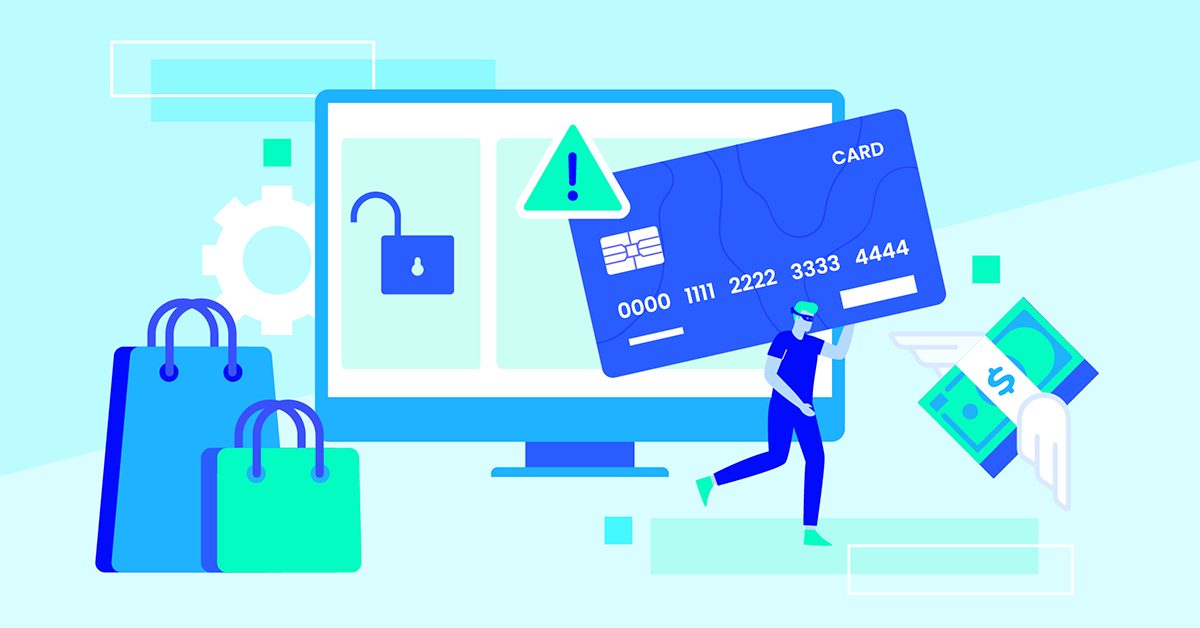
As online commerce flourishes, so does the threat of order fraud, particularly for platforms like WooCommerce. With projections indicating that online shoppers will surpass three billion by 2029, the rise in ecommerce activity has opened more avenues for cybercriminals. Understanding and mitigating these risks are essential tasks for any WooCommerce store owner aiming to safeguard their business and reputation.
WooCommerce, renowned for its robust security and regular updates, isn’t completely immune to fraudulent activities. The surge in online payment fraud, expected to exceed $343 billion between 2023 and 2027, calls for heightened vigilance. Fraudsters are increasingly employing sophisticated AI bots and phishing tactics to impersonate legitimate users, exploiting vulnerabilities like inadequate address verification systems.
Understanding WooCommerce Order Fraud
The methods used by fraudsters are varied and continually evolving. Using stolen credit card information remains a prevalent tactic. These transactions often lead to chargebacks, which can incur fees and damage a store’s relationship with payment processors. Multiple chargebacks might even result in account suspensions.

Card testing, or ‘carding’, is another rampant issue. Here, criminals make numerous small transactions to test the validity of stolen card details, often using automated bots. This not only affects your store’s security but can also degrade site performance, impacting legitimate customer experiences.
Fraudsters may also create fake accounts to exploit promotional offers, leading to significant revenue losses. Additionally, submitting fraudulent orders with fabricated identities or manipulated shipping details is a direct method of theft. Such activities highlight the importance of robust site security and transaction monitoring.
The Impact on Ecommerce Operations
Fraud doesn’t just affect profits; it impacts operational costs and efficiency. Stores incur financial losses through refunds and chargebacks, and high chargeback rates can lead to processor penalties. The resources required to investigate fraud and manage customer inquiries further strain operations.

The necessity of hiring cybersecurity experts and expanding customer support increases operational expenses. This not only affects the bottom line but can also distract from core business activities, reducing overall efficiency.
What To Do
- For Store Owners: Implement advanced security measures, including AI-driven fraud detection tools, and ensure regular software updates to close vulnerabilities.
- For Developers: Focus on secure coding practices and conduct regular security audits to identify and fix potential weaknesses.
- For Agencies: Educate clients about the risks and best practices for preventing ecommerce fraud, offering tailored security solutions.