Some links on this page are affiliate links. We may earn a commission when you click through and make a purchase, at no additional cost to you.
As the demand for fast and flawless ecommerce experiences grows, developers are turning to headless WooCommerce to meet these expectations. This approach separates the frontend from backend operations, offering more customization and control over online storefronts.
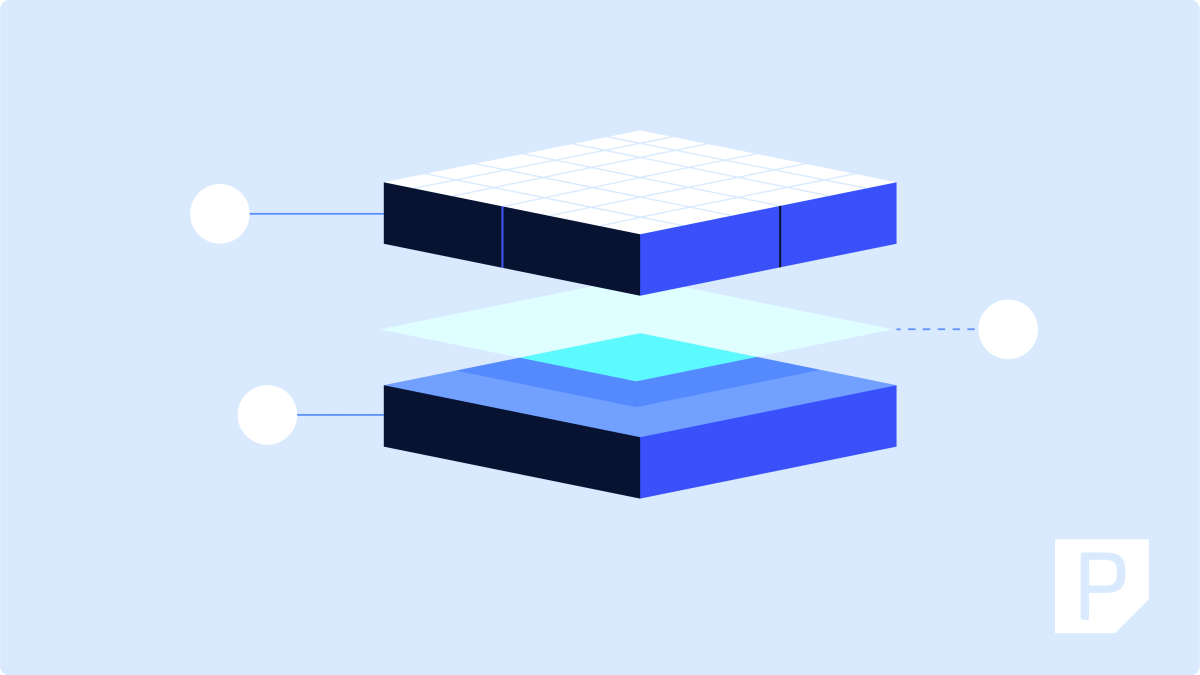
Headless WooCommerce, often referred to as decoupled WooCommerce, allows businesses to leverage the power of the WordPress CMS while utilizing advanced frontend technologies like React.js. This decoupling provides a seamless multichannel experience, enabling product sales across websites, mobile devices, social media, and IoT platforms. It also offers performance improvements through optimized frontend rendering, enhancing user experience and potentially boosting conversion rates.
When Is Headless WooCommerce Right For Your Store?
Deciding to implement a headless WooCommerce site involves weighing its benefits against potential challenges. While headless architecture unlocks significant customization opportunities, it may introduce complexities. For instance, developers may encounter performance issues such as uncacheable requests and excessive asset fetching. Moreover, the management of a headless stack can increase costs and security risks if not properly handled.
For businesses aiming for scalability, Pressable’s infrastructure supports headless WooCommerce with expert support and robust security features, facilitating growth without sacrificing performance. However, the decision to go headless should consider the specific needs of the online store and the technical expertise available.
Drawbacks of a Headless Setup
Despite its advantages, a headless WooCommerce setup is not without drawbacks. A major concern is the loss of post-preview capabilities, a feature integral to traditional setups. Additionally, plugin accessibility can be hindered, requiring some functions to be rebuilt from scratch. This can lead to increased complexity, as headless setups often necessitate multiple dashboards and workflows.

Another significant concern is the increased attack surface. A headless setup involves more platforms and processes, which can introduce vulnerabilities. Security measures must be comprehensive, considering that each component’s security is only as strong as its weakest link.
Joshua Goode, Senior Technical Lead at Pressable, cautions against unnecessary complexity, stating that headless setups can sometimes be over-engineered for the needs of most sites.
What To Do
- Developers: Evaluate the technical needs of your store and consider the potential complexities of a headless setup.
- Site Operators: Ensure robust security practices across all platforms used in a headless architecture.
- Agency Owners: Assess whether the customization benefits outweigh the potential challenges for your clients.