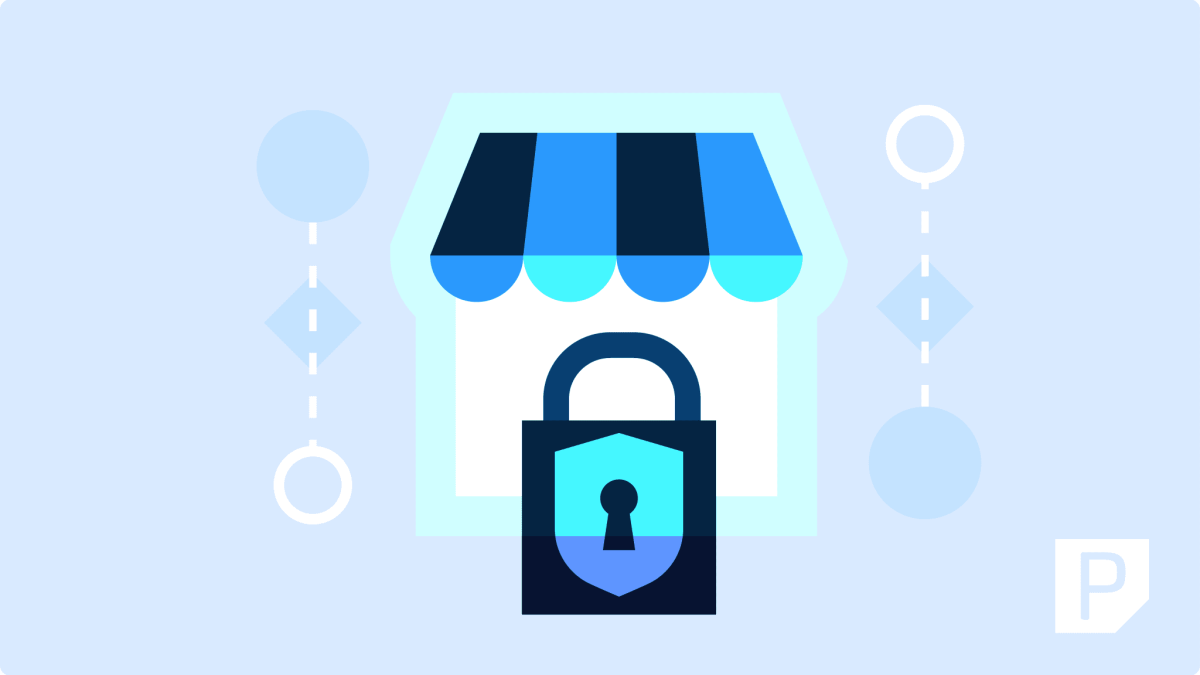
As the e-commerce landscape expands, so do the threats to online stores. For WooCommerce merchants, advanced security strategies are no longer optional but essential. Cyber threats like brute force attacks, SQL injections, and malware are not just theoretical—they are happening now and targeting WooCommerce stores worldwide.
Understanding these common threats is crucial for WooCommerce store owners. Brute force attacks, for instance, involve systematically guessing usernames and passwords until access is gained. Successful breaches can lead to unauthorized access and data theft, affecting customer trust and your bottom line. To combat this, implementing strong passwords, enabling two-factor authentication, and limiting login attempts are recommended practices. Plugins like Jetpack Security can provide added protection by blocking IP addresses after repeated failed login attempts.
Credit Card Skimmers and Malware: Hidden Dangers
Credit card skimmers pose a severe threat to WooCommerce stores by capturing sensitive payment information during transactions. Cybercriminals often exploit site vulnerabilities to inject malicious code, leading to financial and reputational damage. Regular code audits and using secure payment gateways like Stripe or PayPal can significantly mitigate these risks.

Malware is another persistent threat. It can infiltrate your WooCommerce site through outdated plugins, themes, or even the WordPress core, leading to data breaches or site defacement. Regular updates and using security plugins that offer malware scanning and removal are vital defenses. Managed hosting services that include proactive malware monitoring offer an additional layer of security.
Spam and Fraud: Eroding Trust and Credibility
Spam messages clutter your WooCommerce site and can damage user experience and credibility. Implementing anti-spam plugins like Askimet can help filter unwanted content. However, spam can also introduce vulnerabilities, as some messages contain malicious links or phishing attempts.

Identity and location-based fraud are sophisticated threats that involve using stolen identities or spoofing locations to make unauthorized purchases. These fraudulent activities can bypass standard security measures, leading to financial losses and reputational harm.
What To Do
- Store Owners: Implement two-factor authentication and strong password policies. Schedule regular security audits and update all software components frequently.
- Developers: Conduct code audits to identify vulnerabilities. Use security plugins to provide additional protection and ensure compatibility with secure payment gateways.
- Hosting Providers: Offer managed services with built-in security monitoring. Educate clients on the importance of regular updates and security best practices.