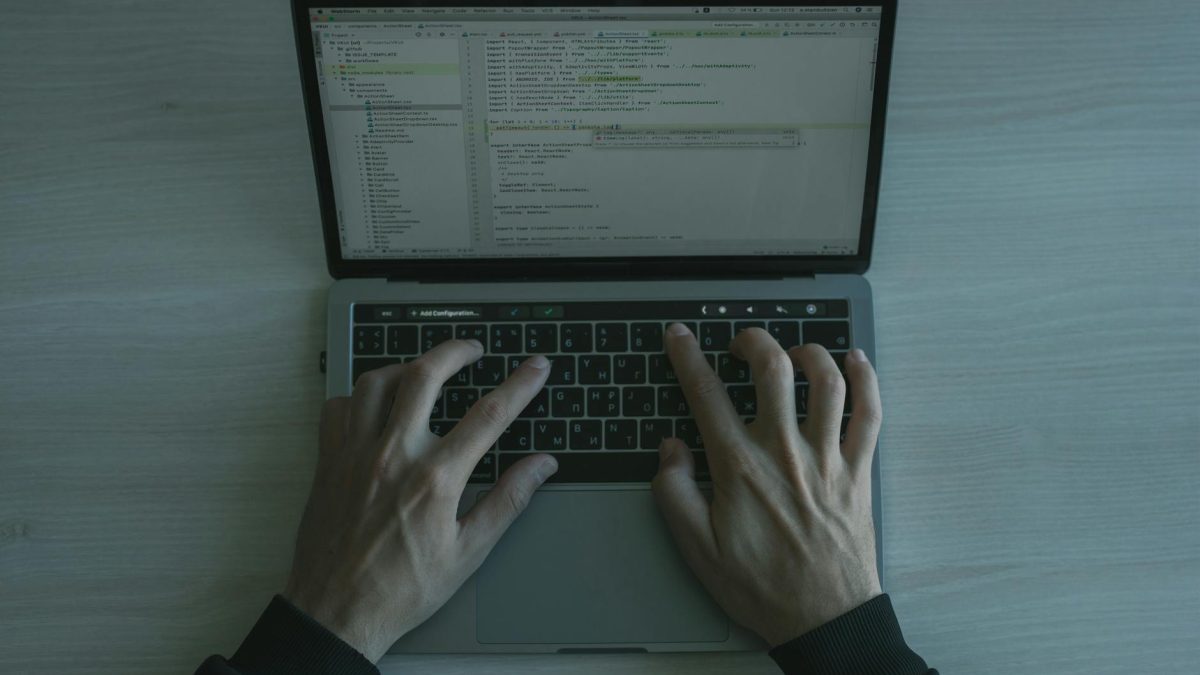
Mastery of WordPress, like any craft, extends beyond abstract knowledge to the physical act of building, coding, and refining. This principle echoes Richard Sennett’s insight from The Craftsman, where he observes, “All skills, even the more abstract, begin as bodily practices.” WordPress professionals know that fluency truly lives in your fingers — the tactile experience of coding, designing, and troubleshooting shapes expertise in ways theory alone cannot.
Key Takeaways
- WordPress fluency requires repeated, hands-on practice, reinforcing muscle memory and problem-solving speed.
- The analogy of craftsmanship highlights how physical engagement with code deepens understanding beyond conceptual learning.
- Agencies and freelancers benefit from emphasizing practical skill-building to accelerate learning curves and improve client outcomes.
- Tool familiarity, keyboard shortcuts, and real-time debugging are essential bodily skills in WordPress development.
- Industry trends show a rise in workflow automation but foundational manual skills remain critical for quality and flexibility.
The Physical Roots of WordPress Expertise
WordPress development is often viewed through the lens of conceptual mastery — knowing PHP, JavaScript, the block editor, or the REST API. However, these skills are inseparable from the physical interaction with the keyboard, mouse, and screen. The act of writing code, navigating the admin interface, and toggling tools is a bodily practice that fosters fluency.
In practice, muscle memory developed through repeated typing of common functions or debugging commands enables developers to work faster and more accurately. This embodied familiarity can mean the difference between a productive coding session and one bogged down by hesitation or errors.
For site operators and agencies, recognizing this dynamic shifts training approaches. Instead of prioritizing purely theoretical knowledge, incorporating hands-on exercises, live coding sessions, and real-world problem-solving accelerates the journey from novice to expert.
Craftsmanship and WordPress: Parallels in Practice
Richard Sennett’s work on craftsmanship underscores how the body and mind collaborate in skill acquisition. Translating this to WordPress, the physical skill of using a development environment, keyboard shortcuts, and command-line tools is as vital as understanding the underlying code structure.
Experienced developers often rely on tactile cues and habitual workflows that have been ingrained through years of practice. For example, muscle memory allows seamless switching between editing CSS styles and writing PHP functions without cognitive overload.
This integrated approach contrasts with surface-level familiarity, where users might know the concepts but struggle to apply them fluidly under pressure, such as during client deadlines or complex troubleshooting.
Implications for Training and Workflow Optimization
WordPress education and onboarding can benefit from emphasizing the bodily aspect of fluency. Interactive workshops, pairing sessions, and guided practice can embed these skills more effectively than lectures or documentation alone.
Furthermore, agencies that encourage developers to customize their environments and adopt efficient keyboard shortcuts often see improvements in productivity and job satisfaction. Tools like WP-CLI, local development environments, and debugging plugins become extensions of the developer’s physical workflow.
Automation technologies, while growing in popularity, do not replace the need for foundational manual skills. They augment the craft but require a skilled practitioner to wield them effectively. This balance is crucial as WordPress evolves with more complex features and integrations.
What This Means for WordPress Users
We recommend WordPress professionals invest in deliberate, hands-on practice to build fluency. This means regularly coding by hand, engaging in real projects, and learning to navigate the platform through direct interaction rather than passive reading.
For agencies and freelancers, structuring training programs around active skill-building will shorten learning curves, reduce error rates, and improve client outcomes. Encouraging mastery of keyboard shortcuts, command-line tools, and debugging techniques is part of this practical focus.
The broader industry trend toward automation and no-code tools should not overshadow the importance of bodily skill development. Skilled hands remain essential to maintain flexibility, troubleshoot effectively, and innovate beyond templates.
Ultimately, WordPress fluency is a craft that lives in your fingers. The more you engage physically with your tools, the more natural and efficient your work becomes.
Frequently Asked Questions
Why is physical practice important for WordPress developers?
Physical practice builds muscle memory and workflow fluency, enabling faster, more accurate coding and troubleshooting. It turns abstract knowledge into actionable skill.
How can agencies foster hands-on skill development for their teams?
Agencies can incorporate live coding sessions, pair programming, and practical exercises into training. Encouraging use of command-line tools and keyboard shortcuts also builds bodily fluency.
Does automation reduce the need for hands-on skills?
Automation augments but does not replace foundational manual skills. Skilled practitioners are needed to customize, troubleshoot, and innovate beyond automated processes.
What are some practical ways to improve WordPress fluency?
Regularly coding by hand, learning and using keyboard shortcuts, practicing debugging, and working on real-world projects help deepen WordPress fluency.