The July 1, 2026 WordPress Core Dev Chat covered critical updates about the upcoming WordPress 7.1 release cycle, evolving AI usage policies, and ongoing efforts to harmonize coding standards between Gutenberg and Core. These discussions directly impact developers, agencies, and site operators managing complex WordPress environments.
Key Takeaways
- WordPress 7.1 is gearing up with a roadmap that includes a new custom post type proposal and hiding the classic block from the inserter by default.
- Draft AI usage disclosure policies for posts, announcements, and Slack comments are under development, reflecting growing ecosystem concerns about transparency.
- Dev chat meeting times will likely shift to Thursdays at 15:00 during the 7.1 beta phase, balancing contributor availability and overlapping team schedules.
- Discrepancies in WordPress Coding Standards (WPCS) between Gutenberg and Core, especially concerning array alignment, are under review to ensure consistency without sacrificing code readability.
- WordPress 7.0.1 Release Candidate 1 is now available for testing, focusing on stability improvements ahead of the patch release.
What Happened
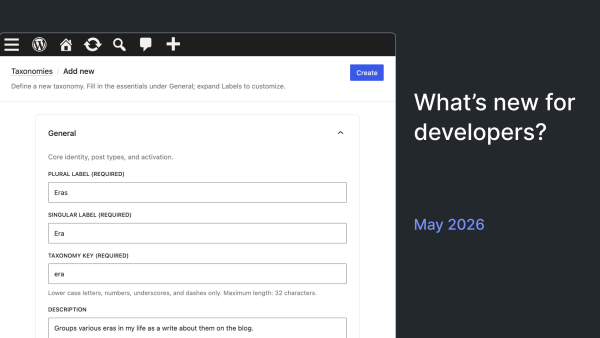
The July 1 core development chat, moderated by @audrasjb on Slack, began with announcements about the WordPress 7.1 development roadmap. A recent proposal to introduce a new custom post type in 7.1 was discussed along with the decision to hide the classic block from the inserter by default to streamline the block editor experience.
The WordPress 7.0.1 Release Candidate 1 was announced as available for testing, signaling progress toward a patch release addressing bugs and performance issues identified since 7.0’s launch.
Significant discussion centered around draft policies for AI-generated content disclosure. Contributor @amykamala proposed adding a policy requiring posts and announcements to include a brief disclosure if AI tools were used in content creation. This proposal extends to Slack comments as well, with @westonruter and @desrosj contributing drafts and feedback. The consensus was to create a dedicated section in the Core Handbook to document these guidelines.
Meeting scheduling conflicts emerged due to overlapping release parties and team meetings on Wednesdays. The dev chat may move to Thursdays at 15:00 starting with the 7.1 beta 1 release week. However, conflicts with the Developer Blog Editorial Group and Accessibility team meetings require careful coordination.
Contributor @dmsnell raised concerns about inconsistencies in WordPress Coding Standards (WPCS) between Gutenberg and Core, specifically regarding array element alignment. While alignment is preferred 90% of the time, exceptions exist where strict alignment can reduce code clarity. Attendees agreed that standards should be harmonized but allow flexibility where justified.
Why This Matters
For WordPress professionals, these developments underscore the platform’s ongoing evolution in managing complexity and emerging technologies. The 7.1 roadmap reflects a cautious yet progressive approach, introducing new functionality like custom post types while refining the block editor user experience by hiding legacy elements such as the classic block.
The AI disclosure policy conversation is particularly relevant as AI-generated content proliferates across the ecosystem. Transparent attribution safeguards trust in official WordPress communications and contributor interactions. It also preempts potential community pushback or reputational risks associated with undisclosed AI assistance, which can affect plugin developers, agencies producing client content, and site operators managing editorial workflows.
Changing the dev chat schedule to Thursdays at 15:00 highlights the challenges in coordinating volunteer contributor efforts amid increasing release cadence and parallel team activities. Agencies and contributors planning involvement in core development or community events should monitor scheduling updates to align participation.
Addressing discrepancies in coding standards between Gutenberg and Core is critical for maintaining a cohesive codebase. Misaligned standards can lead to merge conflicts, reduce code maintainability, and increase onboarding friction for developers working across both repositories. Recognizing exceptions to rigid alignment rules improves developer experience and code quality, important for agencies managing custom Gutenberg block development or complex multisite environments.
The availability of the 7.0.1 Release Candidate 1 signals an imminent patch addressing stability and performance issues, a reminder that production WordPress environments should prepare for timely updates to maintain security and operational reliability.
What This Means for WordPress Users
Should you care? Yes. Whether you are a plugin developer, agency owner, or site operator, these updates directly influence your workflow and the WordPress ecosystem’s direction.
Should you act? If you contribute to core or Gutenberg, test the 7.0.1 RC1 and prepare for 7.1 features. Familiarize yourself with the emerging AI disclosure policies and plan to adopt them in your contributions. Follow the dev chat schedule changes to stay engaged.
What should you change? Review your coding practices in light of the evolving WPCS alignment discussions, especially if you maintain custom Gutenberg blocks or work on integrations spanning core and Gutenberg repositories. If your agency or client projects produce AI-assisted content, proactively implement transparent disclosure to align with upcoming WordPress policies. Monitor the hiding of the classic block in 7.1 to anticipate potential impacts on user experience or client training.
Frequently Asked Questions
1. What is the impact of hiding the classic block from the inserter in WordPress 7.1?
Hiding the classic block by default encourages users to adopt the modern block editor experience, reducing reliance on legacy editing methods. Agencies should prepare clients for this change and update training materials accordingly. Developers maintaining plugins interacting with the classic editor may need to adjust compatibility.
2. How will the AI usage disclosure policy affect WordPress content creators?
Content creators will be required to include simple disclosures when AI tools assist in writing or editing. This enhances transparency and maintains trust. Agencies using AI to generate client content should integrate disclosure statements into publishing workflows.
3. Why is harmonizing coding standards between Gutenberg and Core important?
Consistent coding standards reduce friction when merging code, ease developer onboarding, and improve code readability and maintenance. It also helps agencies and developers working across both repositories maintain cleaner, more consistent codebases.
4. How can agencies prepare for the WordPress 7.0.1 release?
Test the Release Candidate 1 in staging environments, review changelogs for potential impacts, and plan timely updates. This practice ensures security patches and bug fixes are applied without disrupting production sites.
5. What should contributors know about the dev chat scheduling changes?
The dev chat is likely moving to Thursdays at 15:00 to accommodate release parties and overlapping team meetings. Contributors should adjust their calendars to maintain active participation in core development discussions.