WordPress Playground has evolved from a niche experiment into a powerful and practical tool for developers, educators, and site builders. The project’s 2025 year-in-review confirms its growing significance, showcasing major improvements in plugin compatibility, performance, tooling, and global adoption.
Key Takeaways
- 99% of the top 1,000 plugins are now supported, making Playground a reliable tool for testing and previews.
- Performance upgrades reduced response time by 42%, improving workflows for developers and educators.
- Database tools like phpMyAdmin are now usable directly in Playground, simplifying complex tasks.
- A Blueprint Gallery launched, offering shareable, ready-to-use WordPress setups for various use cases.
- Playground saw 1.4 million uses globally in 2025, with growing community contributions.
Reliable Plugin Previews and Experimentation
One of the standout updates from 2025 was the boost in plugin compatibility. Testing with the top 1,000 plugins in the WordPress directory revealed that 99% installed and activated successfully within Playground. This milestone cements Playground as a trustworthy sandbox for plugin experimentation, demos, and evaluations. Developers can now rely on Playground to preview plugin behavior without the overhead of setting up a local environment.
Beyond WordPress itself, Playground is increasingly useful as a general-purpose PHP sandbox. It supports standard PHP tools and workflows, enabling developers to see how WordPress fits into broader projects. The community actively encourages users to share their findings via the #playground Slack channel, fostering collaboration and clarity about the tool’s capabilities.
Faster Load Times
Speed was a recurring theme in Playground’s development last year. The project achieved a 42% reduction in average response time, complemented by smarter loading processes that prioritize user interactions. Core improvements include earlier checks, better cache utilization, and optimized task switching, making the environment feel faster and more responsive.
For users testing plugins, validating bug fixes, or teaching WordPress concepts, these performance gains translate to shorter feedback loops and fewer interruptions. This aligns with Playground’s mission to streamline workflows and keep users focused on their goals.
Better Tooling and Compatibility
In 2025, Playground matured into a more comprehensive toolbox for WordPress work. Key updates include an integrated file editor, enhanced support for database tools like phpMyAdmin and Adminer, and the introduction of the WordPress Blueprints Gallery. These features reduce the need for external tools, letting users perform complex tasks entirely within the browser.
The Blueprint Gallery, in particular, is a community-driven resource offering preconfigured WordPress environments for specific use cases. From demo setups with themes and plugins to environments that generate sample content via WP-CLI, the gallery highlights Playground’s versatility and ease of use.
A notable compatibility upgrade expanded database support, ensuring that more WordPress sites and plugins behave as expected within Playground. This improvement broadens the tool’s appeal to developers working with highly customized configurations.
Global Adoption and Community Growth
Playground’s momentum is reflected in its numbers: 1.4 million uses globally in 2025, documentation translations into multiple languages, and increased community contributions. These adoption signals underscore Playground’s relevance across diverse workflows, from quick demos to structured workshops.
The team continues to welcome feature requests and feedback via the WordPress Playground GitHub issues tracker, ensuring that future updates reflect real-world needs.
Looking Ahead
As Playground enters 2026, the roadmap includes exciting initiatives such as MySQL binary protocol support for broader tool compatibility and expanded debugging features like enhanced XDebug access. These planned improvements aim to deepen Playground’s utility for developers tackling complex WordPress tasks.
What This Means for WordPress Users
For WordPress professionals, Playground’s evolution signals a shift in development and testing workflows. Developers can now preview plugin functionality and test configurations directly in their browser, saving time and eliminating the need for local environments. For educators, Playground’s Blueprint Gallery makes it easier to launch consistent, shareable setups for workshops and hands-on learning.
Agencies and freelancers should explore how Playground can streamline client demos and rapid prototyping. The 99% plugin compatibility rate ensures that most plugins behave predictably, making it a reliable tool for experimentation and troubleshooting. As Playground continues to expand its features and performance, it’s clear that this tool is becoming indispensable for modern WordPress work.
Frequently Asked Questions
What is WordPress Playground?
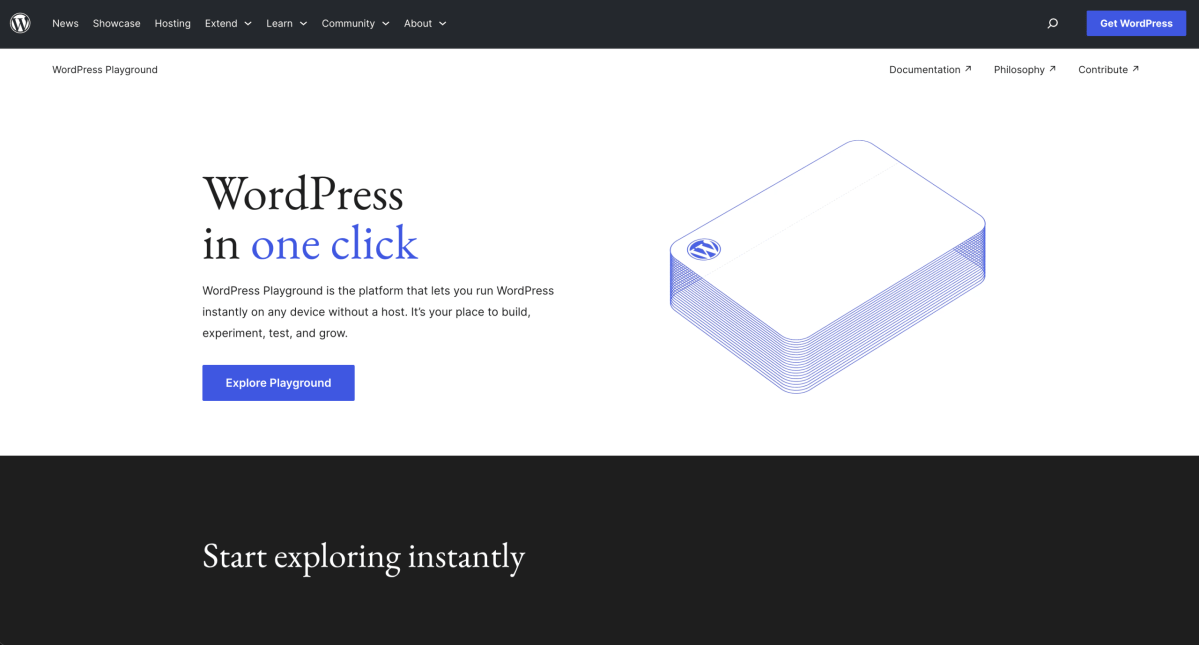
WordPress Playground is a browser-based PHP sandbox for testing, previewing, and sharing WordPress environments without needing a local setup.
How does Playground improve plugin testing?
Playground supports 99% of the top 1,000 WordPress plugins, enabling reliable previews and experimentation without complex setups.
What is the Blueprint Gallery?
The Blueprint Gallery is a community library of preconfigured WordPress setups designed for demos, workshops, and rapid prototyping.
Can Playground replace local environments?
For many tasks, yes. Playground enables plugin testing, configuration previews, and database operations directly in the browser.
Where can I request features for Playground?
Feature requests can be submitted via the WordPress Playground GitHub issues tracker.