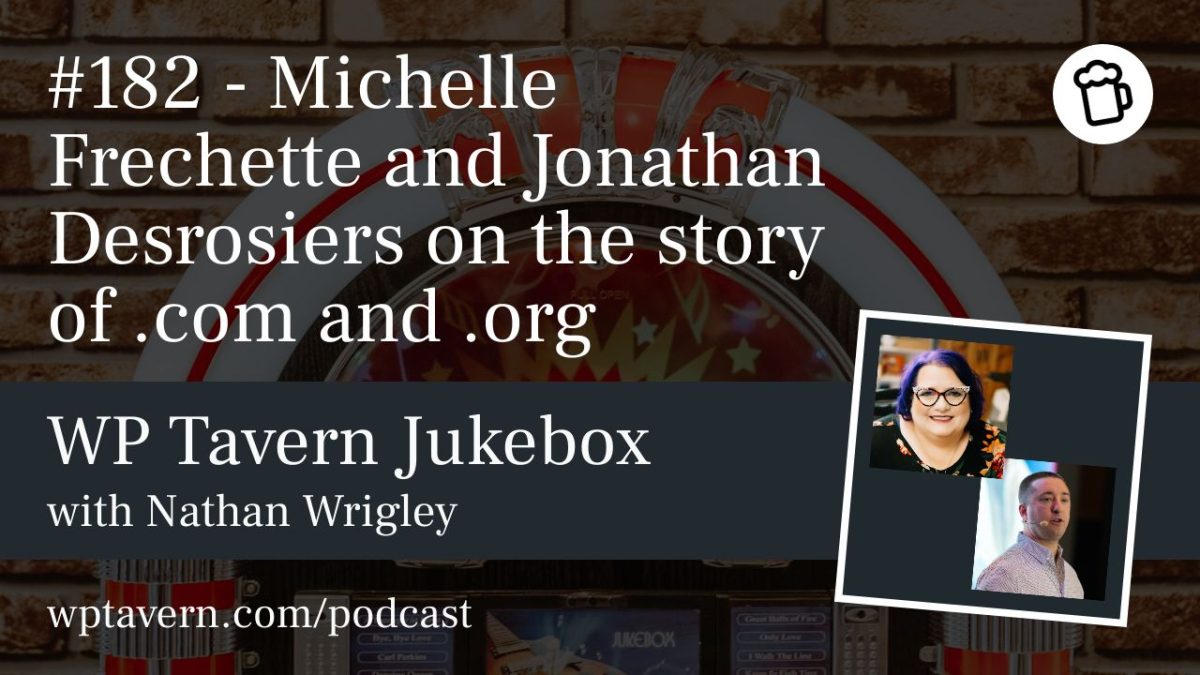
Understanding the dual nature of WordPress, embodied in its .com and .org platforms, is crucial for anyone entrenched in the ecosystem. The latest WP Tavern podcast sheds light on this complex relationship through insights from Michelle Frechette and Jonathan Desrosiers.
The discussion delves into the historical and philosophical distinctions between WordPress.com and WordPress.org. As a WordPress Core committer sponsored by Bluehost, Jonathan Desrosiers offers a technical perspective, while Michelle Frechette, Executive Director of Post Status, provides a community-focused view. Together, they unravel the intertwined history and distinct roles these platforms play in WordPress’s growth.
How WordPress.com and WordPress.org Came to Be
WordPress’s bifurcation into .com and .org is rooted in its mission to democratize publishing. WordPress.com, a commercial platform, offers managed hosting services, thereby making WordPress accessible to a broader audience. Conversely, WordPress.org serves as the home for the open-source project, empowering users with full control over their websites.
Jonathan emphasizes how WordPress.com’s managed environment helped popularize the platform in its nascent stages. Meanwhile, Michelle underscores the importance of WordPress.org’s open-source ethos, which fosters community contributions and innovation.
Key Differences and Overlaps
The conversation highlights the features, user experience, and monetization models that differentiate WordPress.com from WordPress.org. WordPress.com provides a streamlined user experience with less technical overhead, ideal for users who prioritize convenience. In contrast, WordPress.org offers flexibility and control, appealing to developers and power users.
Despite these differences, both platforms share a commitment to a seamless user experience. Efforts to unify the user interface and improve data portability reflect ongoing initiatives to bridge the gap between the two variants.
The Impact on the WordPress Community
The split between .com and .org raises questions about naming conventions and their effects on user perceptions. Jonathan and Michelle explore whether this division aids or hinders WordPress’s mission, particularly in terms of community and commercial dynamics.
Michelle notes that the open-source community thrives on collaboration, with WordPress.org at its heart. Meanwhile, WordPress.com’s commercial success supports the broader ecosystem by funding development and outreach efforts.
What To Do
- Developers and Agencies: Evaluate client needs to determine whether WordPress.com’s managed services or WordPress.org’s flexibility is more suitable.
- Site Operators: Consider leveraging WordPress.org for greater control over customization and plugin use.
- Community Members: Engage with both platforms to understand their roles and contribute to ongoing discussions about unifying user experiences.