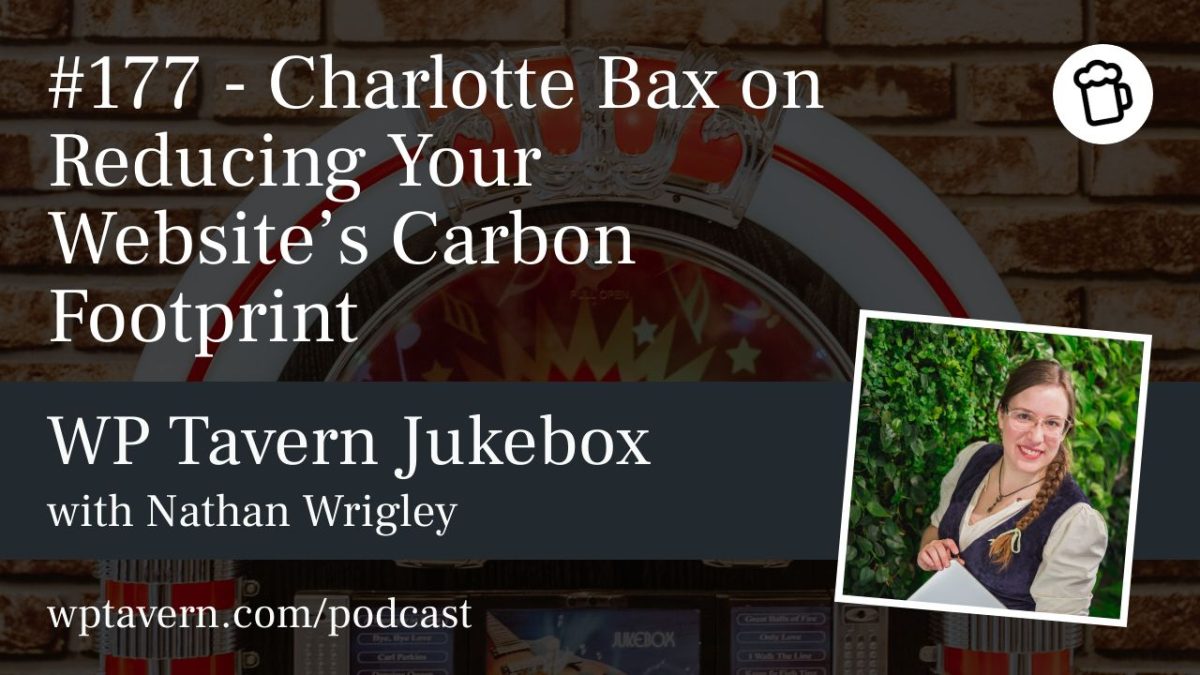
The digital world may feel intangible, but its carbon footprint is anything but. Charlotte Bax, a sustainable web designer and founder of the climate tech startup ENNOR Toolbox for Online Sustainability, is on a mission to highlight the environmental impact of internet infrastructure and offer practical solutions. Her recent discussion on the WP Tavern Jukebox Podcast underscores the urgency for web professionals to embrace eco-friendly practices.
Charlotte Bax has been a leading voice in reducing the carbon footprint of websites, particularly those powered by WordPress. Her journey from a sustainable lifestyle blogger to a pioneer in digital sustainability illustrates a profound commitment to integrating green practices into web design. At the heart of her efforts is the alarming statistic that if the internet were a country, it would rank as the seventh largest polluter globally.
WordPress Sites and Environmental Responsibility
In her recent appearance on the WP Tavern podcast, Bax discussed the hidden pollution websites generate through energy consumption and infrastructure demands. She emphasized the importance of multiplying small improvements across high-traffic sites, highlighting the collective power of incremental changes. From adopting green web hosting to using modern image formats like WebP and AVIF, Bax outlined several strategies to achieve a sustainable web presence.

Moreover, Bax introduced the concept of grid-aware websites, which dynamically adjust their operations based on the renewable energy mix available in real-time. This innovation not only reduces emissions but also sets a new standard for web development practices in the context of environmental responsibility.
Practical Steps for a Greener Internet
During her conversation, Charlotte Bax shared actionable steps for reducing a website’s carbon footprint. These include optimizing website architecture and user experience to limit unnecessary page loads and implementing robust caching strategies. The focus is on efficiency—every kilobyte saved translates to reduced energy consumption and, by extension, fewer emissions.
Bax also discussed her involvement in WordPress sustainability initiatives, advocating for the moral imperative of web creators to foster a greener internet. She emphasized that while individual actions are essential, collective efforts within the WordPress community could drive significant environmental benefits.
What To Do
- Web Developers: Implement green hosting solutions and optimize your sites for performance and energy efficiency.
- Site Operators: Regularly audit your website’s carbon footprint using tools like ENNOR Toolbox and commit to making data-driven improvements.
- Agencies: Educate clients about the importance of sustainable web practices and integrate these into your service offerings.