Some links on this page are affiliate links. We may earn a commission when you click through and make a purchase, at no additional cost to you.
If you’ve spent years working with WordPress, the idea of teaching it to the next generation might seem obvious. But as WordPress enters 2026, questions about its governance and long-term viability have clouded that certainty. The recent WP Mayor article, “My 7-Year-Old Wanted to Build a Website. Should I Still Teach Him WordPress?”, brings this question center stage—and it’s more relevant than ever for parents, educators, and WordPress professionals alike.
Key Takeaways
- Concerns about WordPress governance and its “single point of failure” are driving some users to explore alternatives.
- WordPress remains a dominant force in web creation, but competitors like Webflow and Wix are gaining traction.
- Teaching WordPress to kids in 2026 requires balancing its strengths with its evolving ecosystem challenges.
The Governance Drama of 2025
Last year, the WordPress ecosystem faced one of its most controversial moments: a governance debate between Automattic and WP Engine. At the heart of the issue was the question of WordPress’s “single point of failure”—its reliance on Automattic and the leadership of Matt Mullenweg, who wields significant influence over the platform’s trajectory. Critics argued that this centralization poses risks to the platform’s longevity and innovation.
Recommended for Agencies, enterprise, large sites
WP Engine — from $30/mo
Visit WP Engine →Some links on this page are affiliate links. We may earn a commission when you click through and make a purchase, at no additional cost to you.
For parents and educators considering WordPress as a teaching tool, this drama raises an uncomfortable question: is WordPress’s future secure enough to invest time and energy into teaching it to children? While WordPress’s open-source nature has historically been seen as a strength, this governance uncertainty has led some to question whether it is the best platform for introducing kids to web development.
Why WordPress Still Matters
Despite the governance concerns, WordPress remains the backbone of the internet, powering over 40% of all websites globally. Its flexibility, extensive plugin ecosystem, and ability to scale from personal blogs to enterprise sites make it a versatile choice for learners of all ages.
For kids, WordPress offers a unique opportunity to learn not just website creation but also critical concepts like content management, user roles, and even basic PHP development. Platforms like Webflow and Wix may offer more streamlined experiences, but they often lack the depth WordPress provides for understanding the mechanics of web development and hosting.
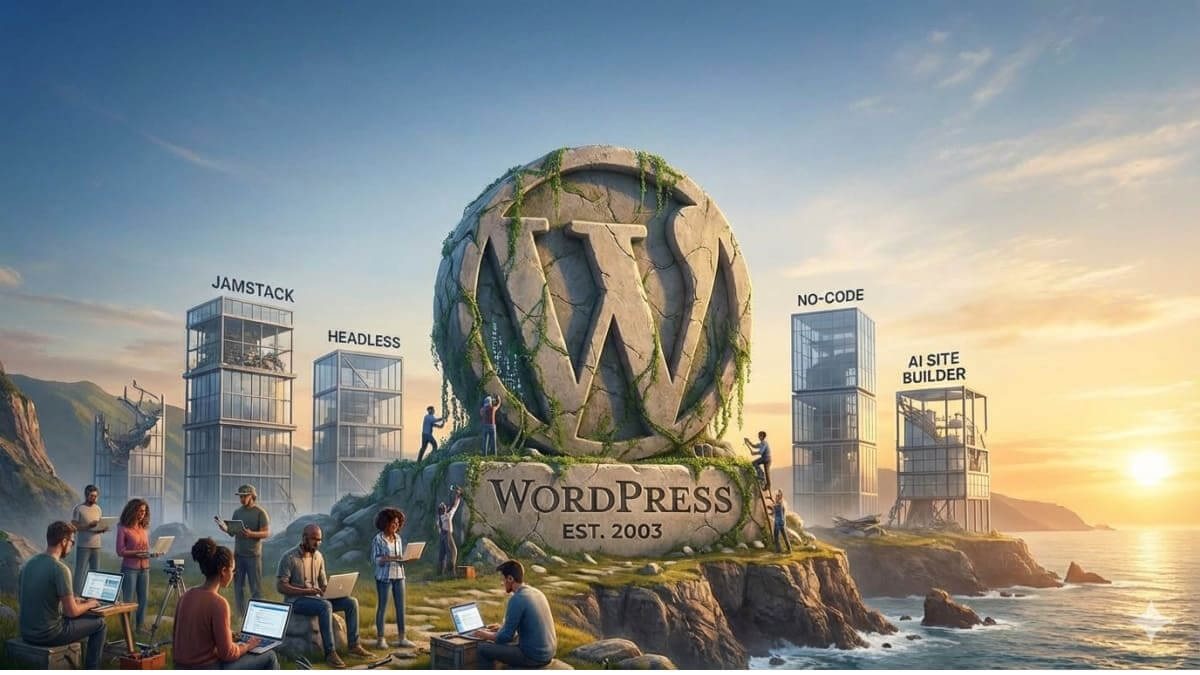
WordPress teaches foundational web principles that competitors often obscure with proprietary systems.
Alternatives Gaining Traction
In recent years, platforms like Webflow and Wix have gained popularity among younger users and beginners due to their ease of use and visually intuitive interfaces. Unlike WordPress, these platforms eliminate the need for hosting setup or backend configuration, which can be daunting for first-time users.
However, this convenience comes at a cost. These platforms are proprietary, meaning users are locked into their ecosystems and have limited control over their sites. Teaching kids to depend on proprietary systems could limit their ability to understand deeper technical concepts and restrict their options as they grow into more advanced web creators.
What This Means for WordPress Users
For WordPress professionals, the question isn’t just about whether WordPress is still worth teaching—it’s about what kind of web creator we want to inspire in the next generation. WordPress’s open-source nature, community-driven development, and extensive learning resources still make it a compelling choice for teaching foundational web skills.
That said, the governance challenges highlighted in 2025 are a signal for parents and educators to diversify their teaching tools. Introduce WordPress alongside other platforms, emphasizing its strengths while acknowledging its limitations. The goal should be to empower kids to make informed choices as they progress in their web development journeys.
Ultimately, WordPress professionals should advocate for reforms in governance and transparency to ensure the platform remains viable for future generations of learners. The community’s resilience has carried WordPress through challenges before, and it has the capacity to rise to this occasion as well.
Frequently Asked Questions
Is WordPress still a good platform for beginners in 2026?
Yes, WordPress remains a strong choice for beginners due to its flexibility and extensive learning resources. However, newcomers should be prepared to navigate its setup and hosting requirements.
What are the best alternatives to WordPress for kids?
Platforms like Webflow and Wix are good alternatives for kids due to their ease of use and visual design tools. However, they lack the depth and control that WordPress offers.
Does WordPress’s governance issue impact its usability?
The governance issues primarily affect long-term confidence in WordPress’s direction, not its day-to-day usability. The platform remains functional and widely supported.