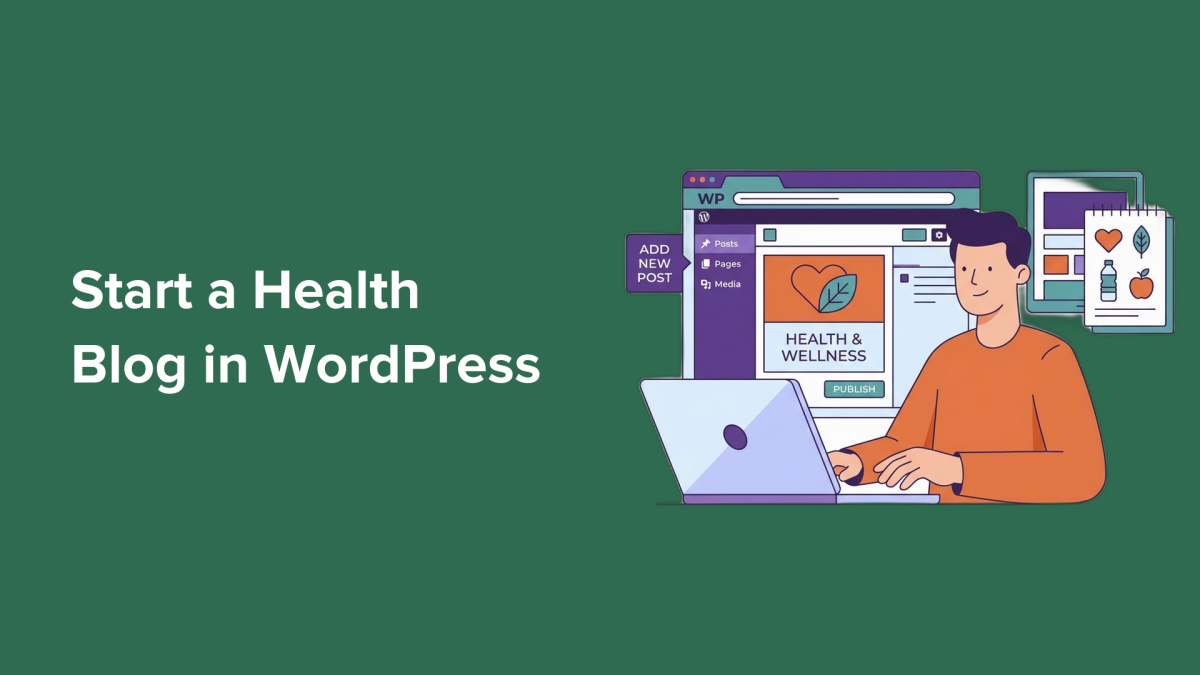
The health blogging landscape is booming, and WordPress offers a straightforward path for aspiring bloggers to enter this vibrant field. Health interest is at an all-time high, and more people are turning to the internet for wellness advice. WordPress makes it easier than ever to share your insights.
Many potential bloggers hesitate, thinking they need a medical degree to contribute meaningfully. In reality, a clear, helpful voice is more crucial. People crave relatable advice and shared experiences, not complex jargon. This makes health blogging accessible to anyone passionate about wellness.
Starting Your Health Blog in WordPress
Launching a successful health blog begins with selecting a niche. Focusing on a specific area, such as nutrition or mental health, helps attract the right audience. Once you’ve chosen your niche, securing a memorable domain name and a beginner-friendly hosting service sets the foundation.

Setting up WordPress is the next step. The platform’s user-friendly interface means you don’t need coding skills to create a professional site. Choose a theme that offers a clean, mobile-friendly design to ensure your blog looks polished.
Essential plugins are vital for optimizing your site. Tools for SEO, analytics, and security are a must. They help your blog perform well and stay safe from threats.
Why Health Blogs Matter
Millions search for health advice daily, seeking clarity in a sea of confusing information. A health blog bridges this gap by simplifying complex topics and empowering readers to make informed decisions. Building a loyal community through clear advice fosters trust and encourages repeat visits.
Monetizing a health blog is feasible, though it requires patience. Affiliate links, digital products, and ads offer revenue streams, but success hinges on providing valuable content and building an audience first.
Maintaining Credibility Online
In health blogging, credibility is key. Google emphasizes E-E-A-T (Experience, Expertise, Authoritativeness, Trustworthiness) in ranking health content. Being transparent about your qualifications and using reputable sources enhances your blog’s trustworthiness.
Medical disclaimers are crucial. They clarify that your content is general information, not personalized medical advice, protecting both you and your readers.
What To Do
- Aspiring Bloggers: Choose a specific niche, secure a domain, and select beginner-friendly hosting.
- Content Creators: Focus on clear, helpful writing and use reputable sources to build trust.
- Monetization Strategists: Explore affiliate marketing, digital products, and ads after establishing a solid reader base.