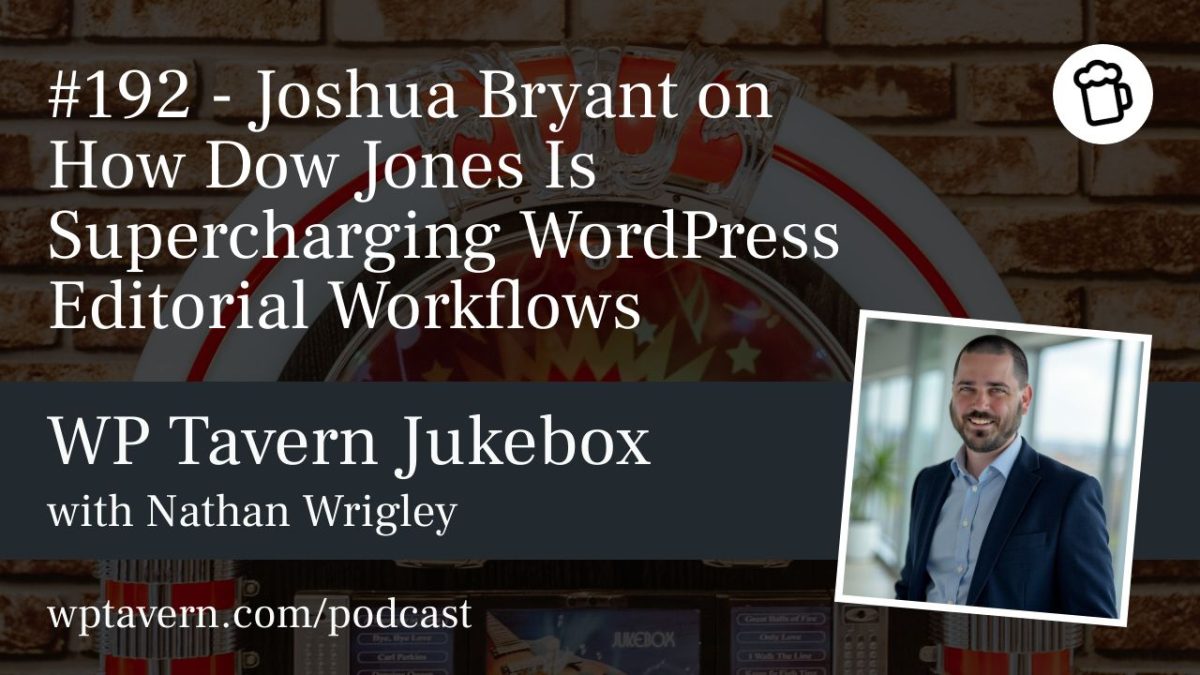
In a pioneering move, Dow Jones is redefining WordPress editorial workflows by embedding the Gutenberg block editor into a standalone React application. This transformation aims to supercharge the speed and efficiency of publishing content on some of the world’s largest news platforms.
Joshua Bryant, a key figure at Dow Jones, recently shared insights on the WP Tavern Jukebox podcast about this groundbreaking initiative. His team has decoupled the Gutenberg editor from the traditional WordPress Admin interface, embedding it into a React-based application while keeping the content stored in a standard WordPress database.
This approach leverages headless WordPress architecture, a method increasingly popular for enhancing performance and scalability. By splitting the editing and rendering processes into separate applications, Dow Jones aims to eliminate page reloads and distractions for editors, thereby enabling near-instantaneous content publishing.
Why Dow Jones Opted for a Headless Solution
The decision to pursue a headless WordPress setup was driven by the need for speed and reliability in the fast-paced world of news publishing. Dow Jones sites, including the Wall Street Journal and MarketWatch, require platforms that can handle real-time updates without compromising on performance.

According to Bryant, the headless approach allows them to customize Gutenberg down to just a few essential blocks, optimizing the workflow and ensuring editors can focus on content creation without unnecessary interruptions. This setup also maintains the full power and extensibility of WordPress, a critical factor for enterprise-level newsrooms.
Technical Innovations Behind the Workflow
The technical architecture implemented by Dow Jones is a testament to the flexibility of WordPress and the ingenuity of its developers. Bryant’s team has simulated the global WP object, ensuring business logic and proprietary plugins remain intact. This is crucial for maintaining consistency and reliability across their platforms.
Moreover, interaction with the WordPress REST API plays a pivotal role in this setup, allowing for instantaneous content publishing. This innovation highlights how enterprise newsrooms can leverage open-source technology to meet their demanding speed requirements.
What To Do
- Developers: Explore headless WordPress setups for potential performance gains in high-demand applications.
- Agency Owners: Consider the benefits of decoupling WordPress components to enhance client offerings, especially for content-heavy sites.
- Site Operators: Evaluate current workflows to identify areas where headless architecture could improve efficiency.