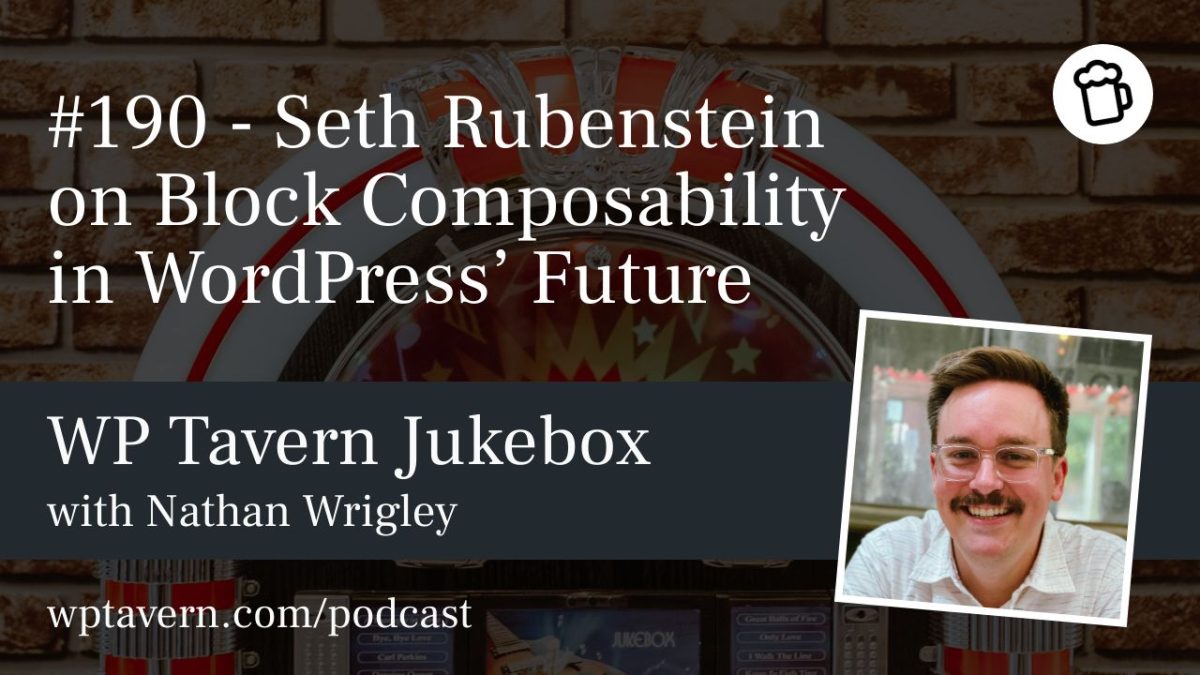
Block composability is poised to redefine how developers and editors interact with WordPress, signaling a transformative shift in the platform’s capability for web application development. Seth Rubenstein, head engineer at the Pew Research Center, recently delved into this concept on the WP Tavern podcast, exploring its potential to enhance the Gutenberg editor.
Rubenstein’s discussion on block composability highlights an evolution towards modular, reusable, and interactive blocks within WordPress. This innovation promises to empower developers to craft sophisticated applications directly in the WordPress environment, bypassing the need for custom React front ends or extensive server-side processing. The implications are significant for those creating interactive content, from quizzes to dynamically updating pages.
Block Composability and WordPress’s Future
During the podcast, Rubenstein shed light on several promising features that facilitate block composability, namely the Block Bindings API, Block Bits, and the Interactivity API. While Block Bits remains in development, these tools collectively open up a realm of possibilities for developers. By enabling features like data prefetching and dynamic content updates, they could streamline the creation of interactive elements traditionally reliant on more complex coding solutions.

Rubenstein envisions a future where these capabilities are democratized across the WordPress ecosystem, making advanced functionalities accessible to a wider audience. However, he acknowledges current limitations and the need for new UI tools to fully realize the potential of device-contextual blocks.
Why Now is the Time for Experimentation
Rubenstein’s insights suggest a pivotal moment for developers and plugin builders to engage with these new technologies. He argues that the current landscape provides a golden opportunity to influence WordPress’s evolution into a leading web application platform. As Gutenberg continues to evolve, contributors are encouraged to experiment and shape its trajectory.
The Pew Research Center, under Rubenstein’s leadership, exemplifies this proactive approach. By contributing to the Gutenberg project, they aim to ensure their developments not only serve their purposes but also benefit the broader community. Such contributions could lead to widespread adoption of these tools, further enhancing WordPress’s utility and reach.
What To Do
- Developers: Start experimenting with the Block Bindings API and Interactivity API to build interactive WordPress applications.
- Plugin Builders: Explore how block composability can enhance your offerings and engage with the Gutenberg project.
- Agency Owners: Educate your teams on these emerging tools to offer cutting-edge solutions to clients.