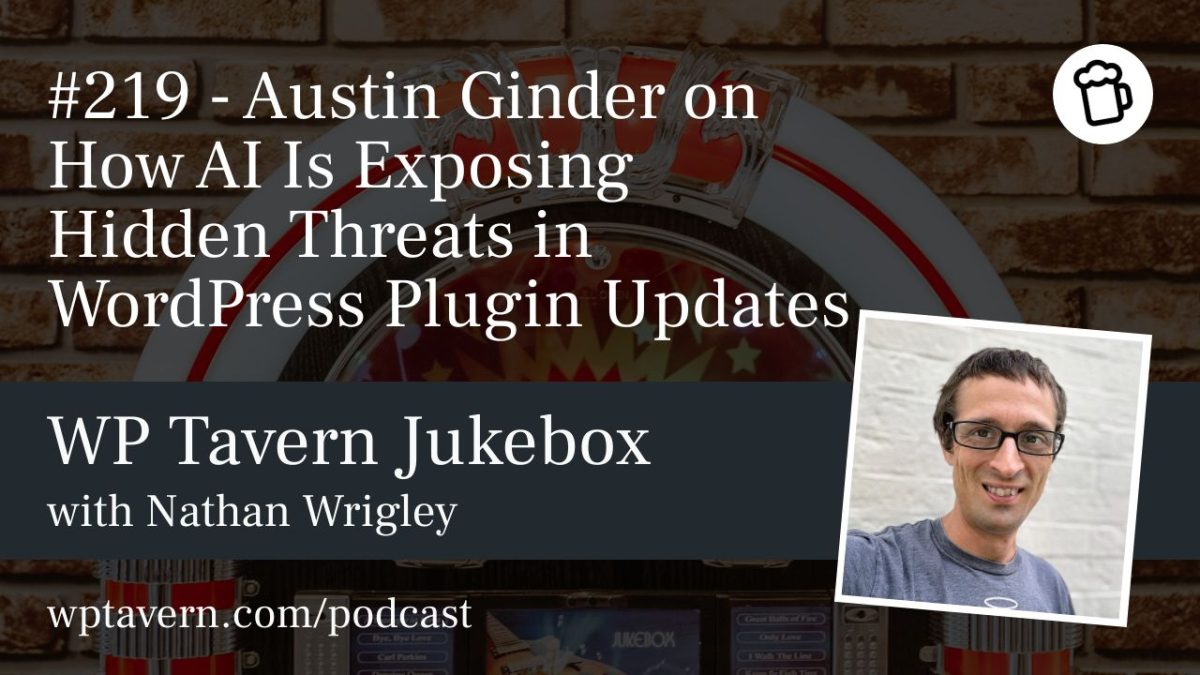
Supply chain attacks are quietly reshaping the security landscape in WordPress plugin management, and AI is emerging as a crucial tool to expose these hidden threats. Austin Ginder, who manages thousands of WordPress sites through Anchor Hosting, recently uncovered alarming cases of malicious plugin updates that evade traditional detection.
- Supply chain attacks in WordPress plugins involve malicious actors hijacking update channels or acquiring plugin ownership to push harmful code.
- AI-driven analysis is enabling deeper forensic investigation and pattern recognition across thousands of plugins, a task impossible through manual audits alone.
- These attacks often shift plugin update sources away from wordpress.org to rogue servers, making detection and mitigation more complex for site operators.
- Collaboration between hosts, security researchers, and the WordPress community is critical to build automated monitoring and rapid response systems against supply chain threats.
- Practitioners must re-evaluate plugin update policies, incorporate AI-assisted security tools, and monitor plugin provenance to protect their WordPress environments.
What Happened
Austin Ginder, a WordPress developer and hosting provider since 2014, discovered a surge in supply chain attacks targeting WordPress plugins. These attacks go beyond traditional malware infections by infiltrating the plugin update process itself. Attackers either gain access to plugin developer accounts or acquire the ownership of plugins and introduce malicious code in updates delivered through official or diverted channels.
One tactic involves redirecting plugin update servers from the official wordpress.org repository to rogue servers controlled by attackers. This enables the distribution of malware disguised as legitimate plugin updates without raising immediate suspicion among site operators.
Ginder’s investigation began with malware cleanup on a client site but expanded into a broader probe revealing multiple compromised plugins. Through his WP Beacon Project, he is tracking and documenting these supply chain threats, offering alerts and data to the WordPress community.
AI tools played a pivotal role in this work, allowing for automated analysis of code changes across the wordpress.org plugin repository, which contains over 60,000 plugins. AI systems can detect suspicious patterns and anomalies that manual review would miss, enabling faster identification of infected plugins and malicious update campaigns.
The podcast interview with WP Tavern’s Nathan Wrigley details these findings and highlights specific case studies of plugin compromises. It also discusses the complexities of mitigating these attacks once malicious code spreads, especially given the decentralized nature of WordPress plugin development and distribution.
Why This Matters
In production WordPress stacks, plugin updates are a routine operation trusted implicitly by site operators and managed hosting providers. The discovery that some updates themselves may be weaponized is a wake-up call for the ecosystem.
Supply chain attacks represent a significant escalation in WordPress security threats. Unlike direct site hacking attempts, these attacks leverage the inherent trust model of WordPress’s auto-update mechanisms, making them stealthier and harder to detect.
For agencies managing multiple client sites, this adds a new layer of risk. Plugin updates are often automated or handled en masse, meaning a single compromised plugin update can cascade into widespread infections across many sites before detection.
From a technical perspective, shifting plugin update servers off the official wordpress.org repository breaks the security assumptions built into WordPress core. It also complicates tools that rely on official update metadata for verification and scanning.
AI’s contribution here is transformative. In real hosting environments, manually auditing tens of thousands of plugins at scale is impractical. AI-powered static code analysis and anomaly detection can surface suspicious changes and flag potential supply chain compromises quickly. However, AI tools are not a silver bullet and require integration with hosting platforms and WordPress security workflows to be truly effective.
There is also an ecosystem risk in the acquisition of plugin companies by malicious actors. This economic vector for supply chain attacks is less visible but equally dangerous, as it exploits legitimate business transactions to weaponize widely used plugins.
Ultimately, this situation underscores the need for greater collaboration between plugin developers, hosting providers, security researchers, and the WordPress community to establish best practices, share intelligence, and build automated monitoring and response capabilities.
What This Means for WordPress Users
If you manage WordPress websites, either as an agency, developer, or site operator, these revelations should prompt immediate reassessment of your plugin update strategies and security posture.
First, do not assume that all plugin updates are safe simply because they come through official WordPress channels. Monitor plugin ownership changes closely and be wary of plugins that suddenly shift their update URLs or exhibit unusual behavior.
Integrate AI-based security tools that can analyze plugin code changes and detect anomalies. While still evolving, these tools can serve as an early warning system for suspicious updates.
For agencies managing multiple client sites, consider implementing staged update deployments with thorough testing before rolling out updates broadly. This can help catch malicious updates before they affect all sites.
Hosting providers should collaborate with security researchers and leverage AI to monitor plugin repositories and update servers for signs of compromise. Automated alerts and rapid incident response will be key to mitigating supply chain attacks.
Finally, the WordPress community should advocate for improved plugin vetting processes, transparent update mechanisms, and possibly enhanced cryptographic signing of plugin packages to restore trust in the update supply chain.
Frequently Asked Questions
What exactly is a supply chain attack in the context of WordPress plugins?
It is an attack where malicious actors compromise the plugin update process itself—either by gaining access to plugin developer accounts or acquiring plugins—to distribute malware through legitimate updates.
How does AI help detect these plugin supply chain threats?
AI analyzes large volumes of plugin code changes to identify unusual patterns, suspicious code snippets, or deviations from expected update behaviors that manual audits would overlook.
Should I stop updating my plugins until this issue is resolved?
No, but you should exercise caution. Monitor plugin updates for unusual changes, validate plugin sources, and consider using AI-assisted security tools. Stopping updates altogether risks missing important security patches.
What can hosting providers do to protect their customers?
They can implement automated monitoring of plugin repositories, collaborate with security researchers, deploy AI-driven detection systems, and create rapid response protocols for compromised plugins.
Are all WordPress plugins at risk of supply chain attacks?
While the risk is not uniform, plugins with changes in ownership or update behavior, or those with less rigorous maintenance, are more vulnerable. Vigilance is required across the ecosystem.